
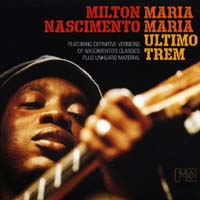
Maria Maria / Ultimo Trem: the story Milton Nascimento wants to tell
Maria Maria / Ultimo Trem- Album Overview
Milton Nascimento’s album Maria Maria / Ultimo Trem, released in 1993, is a rich tapestry of Brazilian music that blends elements of MPB (Música Popular Brasileira), jazz, and folk influences. This dual release features a compilation of previously recorded tracks alongside new material, showcasing Nascimento's distinct vocal style and intricate songwriting. The album was released under the label EMI and produced by the artist himself, further solidifying his role not only as a performer but also as a creative force in the studio.
This album includes notable tracks like "Maria Maria," a song that pays homage to the strength and resilience of women in Brazilian culture, and "Ultimo Trem," reflecting themes of longing and nostalgia. The title track, "Maria Maria," was co-written with the legendary Brazilian musician, Fernando Brant, and has since become one of Nascimento's signature songs, celebrated for its emotive lyrics and compelling melody.
The recording sessions for this album took place at several studios, allowing Nascimento to collaborate with various musicians, including members of his band and guest artists. These collaborations enrich the album with diverse sounds and textures, highlighting the collective spirit of Brazilian music. The cultural significance of this album lies in its exploration of identity, heritage, and the social issues prevalent in Brazil during the early 1990s, making it not just a musical achievement but a poignant commentary on society.
Review
The sound of Maria Maria / Ultimo Trem is a masterclass in blending traditional Brazilian rhythms with contemporary jazz influences. Nascimento’s voice, both powerful and tender, carries the weight of his narratives, drawing listeners into the emotional depth of each song. The instrumentation is lush, featuring a mix of acoustic guitars, percussions, and orchestral arrangements that complement his vocal prowess without overwhelming it.
Lyrically, the album explores rich themes of identity, culture, and the human experience. Songs like "Maria Maria" celebrate the spirit of Brazilian women, while "Ultimo Trem" evokes a sense of melancholy and reflection. Nascimento’s ability to weave personal and universal themes into his music is a testament to his artistic vision, making this album resonate with audiences both in Brazil and around the world.
Highlights
- Milton Nascimento's emotive and powerful vocal delivery.
- Rich instrumentation that perfectly blends jazz and traditional Brazilian music.
- Lyrical depth that addresses social and cultural themes relevant to Brazilian society.
Weak points
- Some tracks may feel less accessible to listeners unfamiliar with Brazilian music styles.
- A few moments of experimentation could detract from the overall cohesiveness of the album.
- Limited mainstream exposure may restrict its reach outside of dedicated music circles.
Overall evaluation
Maria Maria / Ultimo Trem stands as a significant work in Milton Nascimento's discography, showcasing his ability to convey complex emotions and cultural narratives through music. It is a reflection of both personal and collective experiences, making it a timeless piece that continues to resonate. The album is not just a collection of songs; it is a journey through the heart of Brazilian music and storytelling.
Personal rating: 8.5/10 2006Perfil
 1986A barca dos amantes
 1980Sentinela
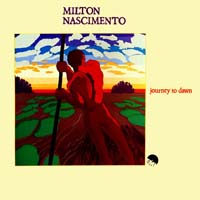 1979Journey to dawn
 1976Geraes
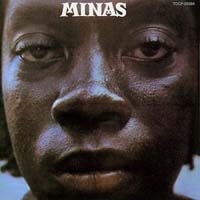 1975Minas
 1973Milagre dos peixes
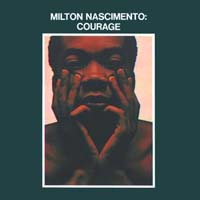 1968Courage