
Harry Belafonte – Harry Belafonte: track-by-track perspective
Harry Belafonte- Album Overview
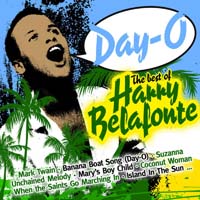
The self-titled debut album "Harry Belafonte" was released in 1956, marking a significant moment in the fusion of folk music with popular culture. Produced under the RCA Victor label, the album captures the essence of Caribbean musical traditions, which Belafonte brought to the forefront of American music. This record features a rich blend of calypso, folk, and pop elements, showcasing Belafonte's deep baritone voice. Renowned for his ability to communicate powerful emotional narratives through song, the album includes iconic tracks such as "Day-O (The Banana Boat Song)" and "Jump in the Line," both of which became staples of his repertoire.
The recording sessions involved collaboration with notable figures, including arranger Millard Thomas and producer Bob Morgan, who helped shape the album's sound. The record's success was not just commercial; it played a crucial role in introducing Caribbean music to a broader audience, helping pave the way for future artists in the genre. The singles "Day-O" and "Mama Look at Bubu" gained immense popularity, with the former becoming a cultural anthem that transcended generations.
Belafonte's debut is significant not only for its musical content but also for its cultural impact, as it positioned him as a leading figure in the civil rights movement, using his platform to advocate for social justice. The album's release coincided with a period of change in America, bringing attention to the rich cultural tapestry of the Caribbean and its influence on American music. Overall, "Harry Belafonte" is more than just an album; it is a historical artifact that captures a pivotal moment in music history.
Review
Harry Belafonte's debut album is a masterclass in blending diverse musical influences to create a sound that is both unique and appealing. The production quality is excellent, and the arrangements are vibrant, making full use of percussion and rich harmonies that reflect the Caribbean roots of the songs. Belafonte’s vocal delivery is passionate and sincere, often elevating simple lyrics into profound expressions of emotion and cultural pride. The lyrics often tell stories of everyday life, resonating with listeners through their relatable themes.
Artistically, Belafonte's vision is clear: he seeks to bridge cultural divides and share the joys of Caribbean music with a broader audience. The album's tracks offer a mix of upbeat tempos and reflective melodies, demonstrating Belafonte's versatility as an artist. While some critics may find the production slightly dated compared to modern standards, the authenticity and energy captured in the recordings remain timeless. This album not only showcases Belafonte's talent but also serves as a cultural touchstone that highlights the significance of Caribbean music in the American musical landscape.
Highlights
- Exceptional vocal performance that brings warmth and depth to each track.
- Innovative blend of calypso and folk elements that paved the way for future genres.
- Culturally significant songs that resonate with themes of social justice and identity.
Weak points
- Some tracks may feel repetitive due to similar musical structures.
- Production techniques may sound dated to contemporary listeners.
- Lack of instrumental diversity in some songs limits sonic exploration.
Overall evaluation
Harry Belafonte's debut album is a landmark in music history, characterized by its heartfelt performances and cultural significance. While it has its flaws in production and structure, the overall impact and enjoyment of the album remain strong, making it an essential listen for fans of folk and world music.
Personal rating: 8/10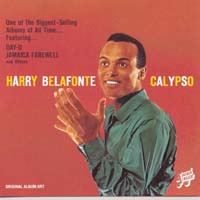 1956Calypso