
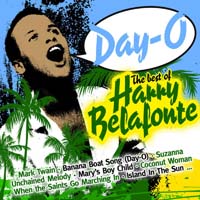
Why Harry Belafonte's Greatest Hits matters
Greatest Hits- Album Overview
Released in 1968, "Greatest Hits" by Harry Belafonte is a compilation album that encapsulates the essence of the singer's monumental impact on music and culture. Released under the RCA Victor label, this collection features some of his most beloved tracks recorded throughout the late 1950s and 1960s. Harry Belafonte is often hailed as the "King of Calypso," and this album showcases his vibrant musical style that blends Caribbean rhythms with popular music sensibilities. Among the standout tracks are "Day-O (The Banana Boat Song)," "Jump in the Line," and "Matilda," all of which highlight his rich baritone voice and captivating storytelling ability. Belafonte's work was groundbreaking, as he was one of the first African-American artists to gain widespread popularity in the mainstream music scene. His music not only entertained but also served as a vehicle for social change, as he was deeply involved in civil rights activism. Collaborators on this album include renowned musicians such as Millie Small and producer Quincy Jones, who helped shape its sound. "Greatest Hits" not only brings forth memorable melodies but also represents a pivotal moment in music history, bridging cultural divides and paving the way for future generations of artists. The album's release coincided with rising social movements, making it a timeless reminder of the power of music to inspire and unite.
Review
"Greatest Hits" serves as a vibrant showcase of Belafonte's unique sound, blending calypso, folk, and pop music into an infectious auditory experience. The album opens with the iconic "Day-O," a track that not only became a commercial success but also resonated with audiences for its infectious rhythm and call-and-response format. Belafonte's smooth vocals are complemented by lively instrumentation, creating an atmosphere that invites listeners to dance and sing along. The lyrics in tracks like "Matilda" and "Jump in the Line" reflect stories and themes of love, loss, and cultural pride, showcasing Belafonte's ability to connect with his audience on a deeply personal level. Artistically, Belafonte's vision was revolutionary during a time when mainstream music was often dominated by white artists. His incorporation of Caribbean rhythms and themes into popular music challenged the status quo and expanded the musical landscape. The album's production is polished, yet it retains an organic feel that captures the essence of live performances. Overall, "Greatest Hits" is not merely a collection of songs; it is a celebration of cultural heritage and artistic expression that remains relevant to this day.
Highlights
- Iconic tracks that have become timeless classics.
- Belafonte’s powerful and distinctive vocal delivery.
- The album's cultural significance as a bridge between musical genres and communities.
Weak points
- Some tracks may feel repetitive to contemporary listeners.
- The album lacks newer material, focusing solely on previously released hits.
- Production quality may seem dated compared to modern standards.
Overall evaluation
Harry Belafonte's "Greatest Hits" remains a crucial entry in the music canon, illustrating the artist's immense talent and cultural contributions. While it may have some limitations in terms of production and variety, the album's strengths far outweigh its weaknesses. It is an essential listening experience for anyone interested in the intersections of music and social change.
Personal rating: 9/10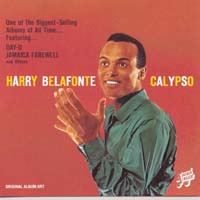 1956Calypso