Biography
Harry Belafonte: history and sound
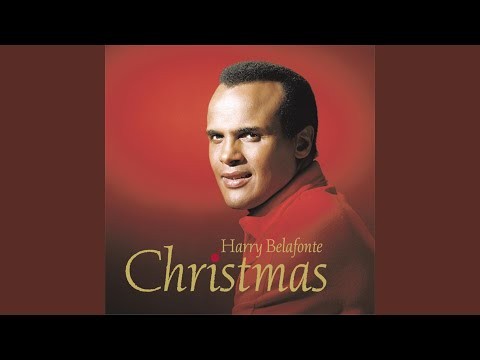
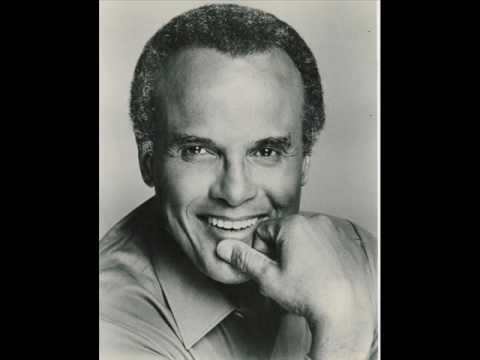
Harold George Harry Belafonte, Jr. (born March 1, 1927) is an American singer, songwriter, actor, social activist, and Academy of Motion Pictures Arts and Sciences Governors Awards honoree.
The Legacy of Harry Belafonte – The Story of a Musical Trailblazer
When talking about legendary musicians, it is impossible not to mention the name Harry Belafonte. He is a singer, actor, and social activist who has been entertaining music lovers for over six decades. Belafonte is known for his distinctive baritone voice, unique musical style, and socially conscious lyrics. In this article, we will take a look at Harry's musical biography and some of his best songs, examine his music genre, and explore some of his famous concerts, including a critical review.
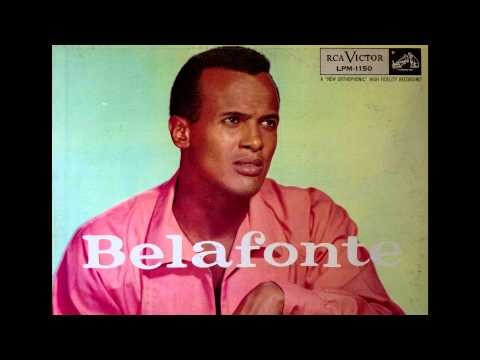
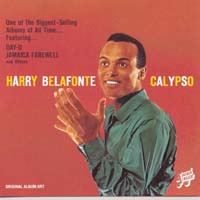
Harry Belafonte was born in Harlem, New York in 1927. Belafonte's parents were Jamaican and he spent his early years living in the islands before moving to New York to study theater. Belafonte's music career began in the 1950s when he signed a record deal with RCA Victor. His first album, Calypso, which included the hit song Day-O, became an international success, catapulting Belafonte to fame as the King of Calypso. Harry continued to create music, and his songs covered a range of genres such as folk, blues, and jazz.
Belafonte's music genre is diverse, blending traditional Caribbean rhythms with American jazz and pop. His approach to music reflected his commitment to social justice and equality. He believed that music could bring people together across race, class, and political differences, and he used his platform to advocate for civil rights and other social issues. Belafonte's music has inspired generations of musicians and has served as a beacon of hope for people of all walks of life.
Some of Harry Belafonte's best songs include Matilda, Jamaica Farewell, The Banana Boat Song (Day-O), Island in the Sun, and Jump in the Line. These hit songs earned him numerous awards, including two Grammys and a Tony Award for his role in the musical John Murray Anderson's Almanac. Belafonte's contributions to music have been recognized by the Kennedy Center Honors and the Grammy Lifetime Achievement Award.
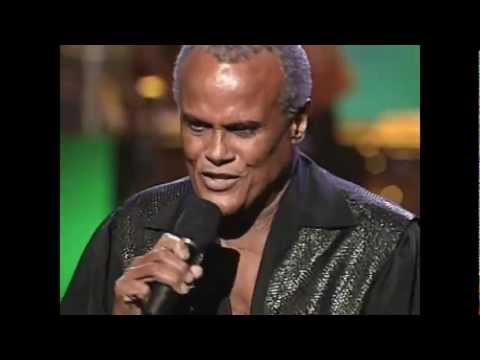
Belafonte's concerts were steeped in activism. One of his famous concerts was the Carnegie Hall Concert in 1959, where he used his music to raise awareness about apartheid in South Africa and to galvanize Americans to support the Civil Rights Movement. The concert was a sold-out event and received critical acclaim. Belafonte used his performance to showcase the richness and diversity of Caribbean music while also linking it to the fight for social justice.
Harry Belafonte's musical biography is a testament to his enduring legacy. His music genre is an eclectic blend of Caribbean rhythms and American jazz and pop. He wrote some of the best songs of all time, and his concerts were infused with activism, promoting social justice, civil rights, and equality. Belafonte's career has spanned over six decades, and his contributions to music and social activism will inspire generations to come.
The Legacy of Harry Belafonte – The Story of a Musical Trailblazer
When talking about legendary musicians, it is impossible not to mention the name Harry Belafonte. He is a singer, actor, and social activist who has been entertaining music lovers for over six decades. Belafonte is known for his distinctive baritone voice, unique musical style, and socially conscious lyrics. In this article, we will take a look at Harry's musical biography and some of his best songs, examine his music genre, and explore some of his famous concerts, including a critical review.
Harry Belafonte was born in Harlem, New York in 1927. Belafonte's parents were Jamaican and he spent his early years living in the islands before moving to New York to study theater. Belafonte's music career began in the 1950s when he signed a record deal with RCA Victor. His first album, Calypso, which included the hit song Day-O, became an international success, catapulting Belafonte to fame as the King of Calypso. Harry continued to create music, and his songs covered a range of genres such as folk, blues, and jazz.
Belafonte's music genre is diverse, blending traditional Caribbean rhythms with American jazz and pop. His approach to music reflected his commitment to social justice and equality. He believed that music could bring people together across race, class, and political differences, and he used his platform to advocate for civil rights and other social issues. Belafonte's music has inspired generations of musicians and has served as a beacon of hope for people of all walks of life.
Some of Harry Belafonte's best songs include Matilda, Jamaica Farewell, The Banana Boat Song (Day-O), Island in the Sun, and Jump in the Line. These hit songs earned him numerous awards, including two Grammys and a Tony Award for his role in the musical John Murray Anderson's Almanac. Belafonte's contributions to music have been recognized by the Kennedy Center Honors and the Grammy Lifetime Achievement Award.
Belafonte's concerts were steeped in activism. One of his famous concerts was the Carnegie Hall Concert in 1959, where he used his music to raise awareness about apartheid in South Africa and to galvanize Americans to support the Civil Rights Movement. The concert was a sold-out event and received critical acclaim. Belafonte used his performance to showcase the richness and diversity of Caribbean music while also linking it to the fight for social justice.
Harry Belafonte's musical biography is a testament to his enduring legacy. His music genre is an eclectic blend of Caribbean rhythms and American jazz and pop. He wrote some of the best songs of all time, and his concerts were infused with activism, promoting social justice, civil rights, and equality. Belafonte's career has spanned over six decades, and his contributions to music and social activism will inspire generations to come.