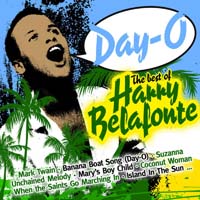
Harry Belafonte is known as the 'King of Calypso' and has had an undeniable impact on popular music. With a career that has spanned decades, Harry Belafonte has released dozens of hits, won countless awards, and won over legions of listeners around the world with his trademark blend of Afro-Caribbean rhythms. But despite his apparently boundless talents, there have been some controversies surrounding the singer's legacy – and today we’re going to be looking at both sides: what makes him great and also why he’s faced criticism from some quarters during his long career in music.
Harry Belafonte is one of the most recognizable names in the music industry, especially when it comes to calypso music. He first rose to prominence in the 1950s and 1960s as a recording artist and performer, and he is still admired for his unique style and incredible talent. But despite his many accomplishments, there are some criticisms of his legacy that need to be addressed. In this blog post, we’re going to take a closer look at both sides of Harry Belafonte’s legacy, to determine whether he truly deserves the title of the “King of Calypso”.
Harry Belafonte's contributions to popular music are undeniable. He has released dozens of hit songs, including Day-O, which has since become a staple of pop culture, even among younger generations. Belafonte also incorporated traditional Caribbean folk music into his style, which helped to popularize calypso music in the United States. His music also had an important role in the civil rights movement, as he was one of the first black artists to achieve mainstream success in the U.S.
However, Belafonte's outspoken activism and political views have led to some controversies throughout his career. He was a close friend of Dr. Martin Luther King Jr., and his music was used as a tool to spread messages of equality and justice during the civil rights movement. This often resulted in him being targeted by the FBI and other organizations, and he faced criticism and even death threats as a result of his activism.
Another criticism of Belafonte is that he has been accused of cultural appropriation throughout his career. Many of his songs are adaptations of traditional African American and Caribbean folk songs, and some have argued that his success was largely built on the exploitation of these cultural traditions. However, others have defended Belafonte, arguing that his music helped to bring attention to these traditions and promote their preservation.
Another controversy that has followed Belafonte throughout his career is his relationship with women. He has been accused of multiple instances of infidelity and domestic abuse, and these allegations have led to some calls for him to be held accountable for his actions. However, the veracity of these claims is difficult to determine, as they stem from mostly unverified reports and rumors.
In conclusion, Harry Belafonte is a talented and influential musician with a rich legacy in popular music. However, there are certainly some valid criticisms of his career and personal life that need to be considered. While some of these criticisms can be explained as a product of the time and place in which he lived and worked, it is important to acknowledge and address them in order to fully understand Belafonte’s impact on music and society as a whole. Ultimately, it is up to each listener to decide for themselves whether Harry Belafonte deserves the title of the “King of Calypso” based on his music, his activism, and his personal life.