
Belafonte At Carnegie Hall: the story Harry Belafonte wants to tell
Belafonte At Carnegie Hall- Album Overview
"Belafonte At Carnegie Hall," released in 1959, is a landmark live album by the iconic American singer and civil rights activist Harry Belafonte. This album was recorded during a historic performance at Carnegie Hall in New York City on April 19, 1959, and was released under the RCA Victor label. The record showcases Belafonte's deep connection to Caribbean music, folk traditions, and social issues, making it an essential piece of American music history.
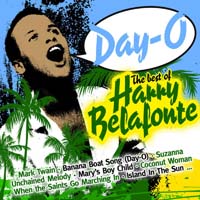
The album features a mix of calypso, folk, and traditional songs, including beloved tracks such as "Day-O (The Banana Boat Song)" and "Jamaica Farewell." It highlights the collaborative efforts of Belafonte's longtime musical director, the talented arranger and conductor, Harry Belafonte himself, alongside an ensemble of skilled musicians. The album's production captures the vibrant atmosphere of the live performance, allowing listeners to feel the energy of the audience and the passion of the artist.
"Belafonte At Carnegie Hall" is not only significant for its musical content but also for its cultural impact. At a time when racial tensions were high in America, Belafonte used his platform to promote messages of unity, social justice, and the rich heritage of African American and Caribbean cultures. The album was a commercial success, reaching No. 1 on the Billboard Pop Albums chart and winning a Grammy Award for Best Folk Recording, solidifying Belafonte's position as a prominent figure in both music and activism.
Review
The sound of "Belafonte At Carnegie Hall" is a captivating blend of vibrant rhythms, heartfelt vocals, and rich cultural storytelling. Belafonte's voice is both powerful and soothing, effortlessly transitioning from lively calypso tunes to poignant folk ballads. The arrangements are meticulously crafted, highlighting not only Belafonte's vocal prowess but also the skilled musicians accompanying him. This live recording conveys an authentic concert experience, immersing the listener in the atmosphere of celebration and reflection.
Lyrically, Belafonte's selections resonate with themes of identity, heritage, and social consciousness. His rendition of "Day-O" remains a definitive interpretation, capturing the joy and struggles of the working class while inviting audience participation. The album's artistic vision is clear: to bridge cultural divides and foster understanding through music, a message that resonates strongly even today.
Highlights
- Powerful and emotive vocal performances that showcase Belafonte's range.
- A rich blend of musical genres, including calypso, folk, and traditional songs.
- Significant cultural impact, addressing social issues and fostering unity.
Weak points
- Some listeners may find the pacing uneven between upbeat and slower tracks.
- Limited appeal to those unfamiliar with Caribbean music or folk traditions.
- Production values reflect the era, which might feel dated to modern audiences.
Overall evaluation
"Belafonte At Carnegie Hall" stands as a monumental achievement in live recordings, blending musicality with a powerful social message. Harry Belafonte's ability to connect with his audience through storytelling and song makes this album a timeless classic.
Personal rating: 9/10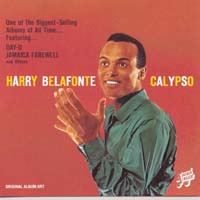 1956Calypso