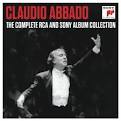
ALBUM NOTESBoléro / Rapsodie Espagnole / Ma Mère L’oye / Pava by Claudio Abbado: expectations vs reality
Boléro / Rapsodie Espagnole / Ma Mère L’oye / Pava- Album Overview
The album "Boléro / Rapsodie Espagnole / Ma Mère L’oye / Pava" by renowned conductor Claudio Abbado was released in 1990 under the Deutsche Grammophon label. This collection features an exquisite selection of orchestral works by Maurice Ravel and Manuel de Falla, showcasing Abbado's adeptness at interpreting these quintessentially Spanish and French compositions. The recording was made with the London Symphony Orchestra, a collaboration that brings together Abbado's deep understanding of orchestral color and texture with the ensemble's rich sound.
The album opens with Ravel's "Boléro," perhaps his most famous work, known for its hypnotic rhythm and crescendo that builds to a powerful climax. The second piece, "Rapsodie Espagnole," is a four-movement suite that captures the essence of Spanish music through Ravel's impressionistic lens. "Ma Mère L’oye" (Mother Goose Suite) follows, offering a whimsical take on fairy tales through delicate orchestration and vivid storytelling. The album concludes with "Pava," a lesser-known work that still resonates with the same rhythmic vitality and melodic invention characteristic of both composers.
Abbado's interpretation is notable not just for its technical precision but also for its emotional depth, as he balances the often contrasting elements of lush orchestration and rhythmic vitality. This album is not just a collection of pieces; it is a celebration of the orchestral tradition, reflecting the cultural significance of both composers while capturing the listener's imagination.
Review
Claudio Abbado's "Boléro / Rapsodie Espagnole / Ma Mère L’oye / Pava" is a striking embodiment of orchestral mastery that meets high expectations. The album's sound is rich and immersive, drawing the listener into a world brimming with color and texture. Abbado's command of the London Symphony Orchestra allows for a nuanced interpretation of Ravel's intricate dynamics, particularly in "Boléro," where the gradual build-up is executed with precision and purpose.
The delicate interplay of instruments in "Ma Mère L’oye" showcases Abbado's ability to evoke a sense of wonder, as each fairy tale unfolds with clarity and charm. In "Rapsodie Espagnole," the vibrant rhythms and lush harmonies are brought to life with an infectious energy that feels both authentic and fresh. The artistic vision behind this album is clear: Abbado aims to highlight the emotional core of each piece while maintaining their intrinsic cultural roots.
Overall, the album exceeds expectations, not only in its technical execution but also in its ability to transport the listener through time and space, making it a significant contribution to the classical music canon.
Highlights
- Exceptional orchestral color and texture throughout the album.
- Masterful interpretation of Ravel's "Boléro," showcasing its dynamic build.
- Emotional depth in "Ma Mère L’oye," bringing fairy tales to life.
Weak points
- Some listeners may find "Pava" less familiar and engaging compared to the more popular pieces.
- The album may not appeal to those who prefer a more traditional or conservative approach to orchestral music.
- Occasional moments of orchestral exuberance may overshadow subtle details in quieter passages.
Overall evaluation
Claudio Abbado's "Boléro / Rapsodie Espagnole / Ma Mère L’oye / Pava" stands as a vibrant and richly textured collection that successfully marries technical prowess with emotional resonance. It invites listeners into a world of mesmerizing orchestral storytelling, making it a noteworthy addition to any classical music lover's collection.
Personal rating: 9/10