
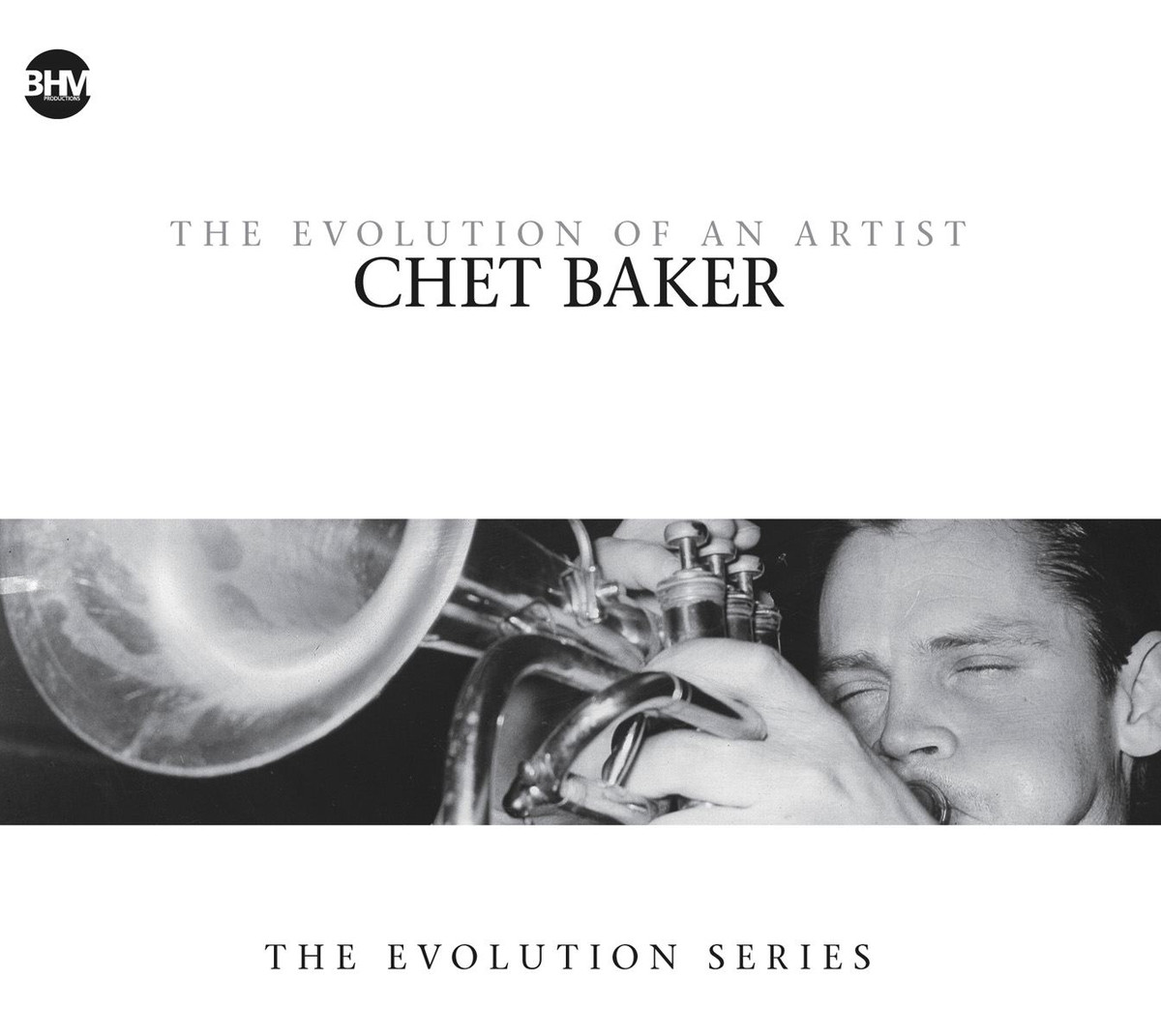
Unpacking Chet Baker's Albert's House
Albert's House- Album Overview
"Albert's House," released in 1973, is a compelling album by the iconic American jazz trumpeter and vocalist Chet Baker. This album showcases Baker's unique ability to blend the lyrical beauty of jazz with a deeply emotive vocal style. Recorded for the Italian label "MPS Records," the album features a notable collaboration with various accomplished musicians, including pianist and arranger Enrico Pieranunzi, bassist Lino Capra Vaccina, and drummer Andrea Centazzo. This collaboration brings a refreshing European flavor, complementing Baker's signature sound.
The recording sessions took place in Italy, where Baker had relocated during the early 1970s, a period marked by significant personal and professional challenges for the artist. The album's title pays homage to the famed Dutch artist Albert P. Kapp, reflecting Baker's appreciation for artistic influences beyond music. As a blend of jazz and contemporary sounds, "Albert's House" stands at the intersection of modern jazz and classical influences, showcasing Baker's versatility as both a trumpeter and a vocalist.
Among the tracks, "The Lady Is a Tramp" and "My Funny Valentine" are standout pieces that exemplify Baker's ability to convey profound emotion through his instrument and voice. The album did not produce any major singles but remains a significant part of Baker's discography, highlighting his artistic evolution and resilience during a tumultuous period in his life. The cultural significance of "Albert's House" lies in its demonstration of the fusion of American jazz with European musical sensibilities, marking a unique chapter in Baker's storied career.
Review
"Albert's House" is a nuanced exploration of Chet Baker's musical artistry, characterized by a delicate balance of lyrical trumpet melodies and introspective vocals. The album's sound is marked by its warm production, which allows Baker's trademark tone to shine through. His trumpet playing is both haunting and uplifting, a reflection of his complex emotional landscape during this time. The arrangements are sophisticated yet accessible, with Pieranunzi's piano work providing a lush backdrop that complements Baker's performance beautifully.
While Baker's vocal performances are often overshadowed by his instrumental prowess, the tracks on "Albert's House" reveal his adeptness as a singer, bringing a rich, storytelling quality to familiar standards. The artistic vision behind the album reflects a transitional phase for Baker, as he navigated personal struggles while remaining committed to his craft. Each track feels like a heartfelt conversation, drawing listeners into an intimate space that captures the essence of both Baker's artistry and the era's jazz landscape.
Highlights
- Emotive trumpet playing that showcases Baker's signature sound.
- Rich arrangements that blend jazz with European influences.
- Introspective vocal performances that add depth to classic standards.
Weak points
- Lack of standout singles may limit its mainstream appeal.
- Some listeners may find the production style dated.
- Musical complexity may not cater to all jazz audiences.
Overall evaluation
"Albert's House" is a significant entry in Chet Baker's discography, showcasing his ability to transcend personal challenges through music. The album invites listeners into a world of emotional depth and artistic exploration, reflecting the duality of Baker's career. While it may not resonate with all contemporary audiences, its artistry and craftsmanship remain undeniable.
Personal rating: 8/10 1959Chet
 1954Chet Baker Sings