Biography
Woody Guthrie: history and sound
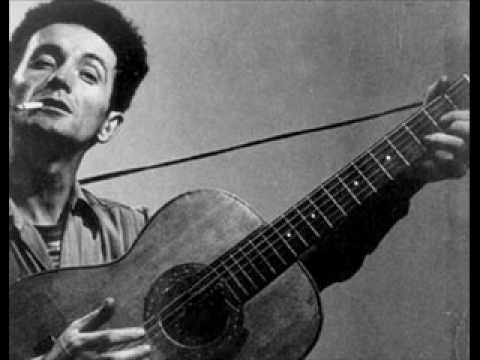
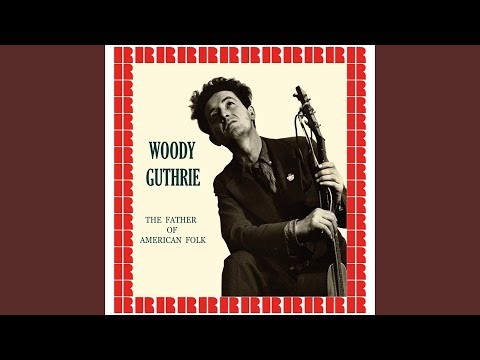
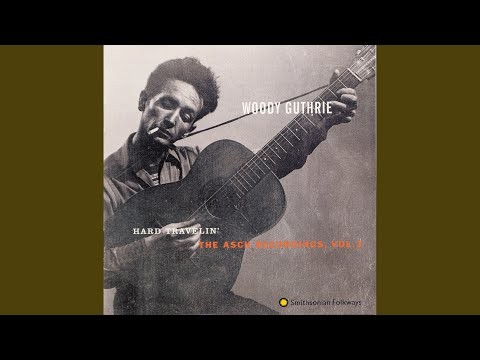
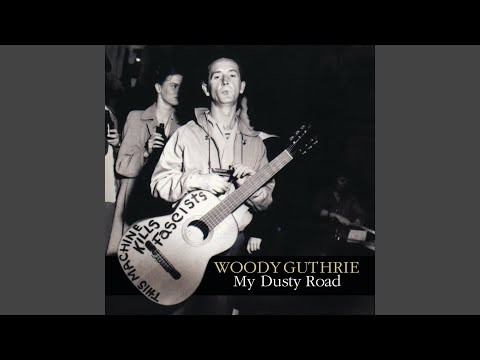
Woodrow Wilson Woody Guthrie (July 14, 1912 – October 3, 1967) was an American singer-songwriter and folk musician whose musical legacy includes hundreds of political, traditional and children's songs, ballads and improvised works.
Woody Guthrie: America's Folk Hero
Music has the power to transport you to different times and places, to make you feel emotions you didn't know you had, and to connect you to others through shared experiences. Few artists captured this better than Woody Guthrie, the legendary folk singer and songwriter who defined the Dust Bowl era and became a voice for working-class Americans everywhere. In this article, we'll dive into Guthrie's musical biography, explore some of his best songs, touch on his genre, and take a look at some of his most famous concerts and a critic.
Woody Guthrie was born in Oklahoma in 1912, the son of a farmer and a homemaker. After a series of tragedies left him homeless and alone, he began playing music on the streets of Texas and California, soon earning a reputation as a gifted singer and songwriter. Over the course of his career, Guthrie recorded hundreds of songs, many of which are now considered classics of American folk music. He also wrote about his experiences traveling the country during the Great Depression, sharing stories of poverty, inequality, and hope that continue to resonate with listeners today. Guthrie's music was unapologetically political, focusing on issues like workers' rights, civil rights, and the struggle for economic justice.
Guthrie's best-known songs include This Land is Your Land, Do Re Mi, Pretty Boy Floyd, and Bound for Glory. His music typically featured simple melodies and lyrics that were easy to sing along with, making it popular with both adults and children. Guthrie was a master of storytelling, using his songs to paint vivid pictures of the world around him and to express his deeply held beliefs about social justice. In many ways, he was a pioneer of protest music, inspiring future generations of singers and songwriters to use their art as a tool for change.
As for his genre, Woody Guthrie is considered one of the most influential figures in American folk music. His music reflected the traditions of the working-class people he sang about, but he also incorporated elements of blues, gospel, and country music into his songs. Guthrie was a natural performer, able to connect with audiences through his music and his personal charisma. He performed on radio shows, in concert halls and on the streets, and his music became a soundtrack for the struggles of American workers during the Great Depression.
Guthrie's most famous concert was undoubtedly the 1940 Grapes of Wrath tour, which he co-headlined with fellow folk singer Pete Seeger. The tour aimed to raise awareness of the plight of migrant workers in California, who were being exploited by wealthy landowners. The two singers traveled from town to town, performing for crowds of thousands and drawing attention to the ongoing social and economic injustices faced by working-class Americans. Criticisms of Guthrie's music were sparse, with most acknowledging his musical talent and dedication to social justice issues.
In conclusion, Woody Guthrie's music remains as relevant and inspiring today as it did during his lifetime. His devotion to social justice issues and his ability to tell powerful stories through his music have made him a timeless icon of American folk music, and his legacy continues to influence generations of singers and songwriters today. Whether it's his classic songs like This Land is Your Land or his lesser-known works that explore the everyday lives of working-class Americans, Woody Guthrie's music speaks to the human experience in a way that few other artists have ever been able to achieve.
Woody Guthrie: America's Folk Hero
Music has the power to transport you to different times and places, to make you feel emotions you didn't know you had, and to connect you to others through shared experiences. Few artists captured this better than Woody Guthrie, the legendary folk singer and songwriter who defined the Dust Bowl era and became a voice for working-class Americans everywhere. In this article, we'll dive into Guthrie's musical biography, explore some of his best songs, touch on his genre, and take a look at some of his most famous concerts and a critic.
Woody Guthrie was born in Oklahoma in 1912, the son of a farmer and a homemaker. After a series of tragedies left him homeless and alone, he began playing music on the streets of Texas and California, soon earning a reputation as a gifted singer and songwriter. Over the course of his career, Guthrie recorded hundreds of songs, many of which are now considered classics of American folk music. He also wrote about his experiences traveling the country during the Great Depression, sharing stories of poverty, inequality, and hope that continue to resonate with listeners today. Guthrie's music was unapologetically political, focusing on issues like workers' rights, civil rights, and the struggle for economic justice.
Guthrie's best-known songs include This Land is Your Land, Do Re Mi, Pretty Boy Floyd, and Bound for Glory. His music typically featured simple melodies and lyrics that were easy to sing along with, making it popular with both adults and children. Guthrie was a master of storytelling, using his songs to paint vivid pictures of the world around him and to express his deeply held beliefs about social justice. In many ways, he was a pioneer of protest music, inspiring future generations of singers and songwriters to use their art as a tool for change.
As for his genre, Woody Guthrie is considered one of the most influential figures in American folk music. His music reflected the traditions of the working-class people he sang about, but he also incorporated elements of blues, gospel, and country music into his songs. Guthrie was a natural performer, able to connect with audiences through his music and his personal charisma. He performed on radio shows, in concert halls and on the streets, and his music became a soundtrack for the struggles of American workers during the Great Depression.
Guthrie's most famous concert was undoubtedly the 1940 Grapes of Wrath tour, which he co-headlined with fellow folk singer Pete Seeger. The tour aimed to raise awareness of the plight of migrant workers in California, who were being exploited by wealthy landowners. The two singers traveled from town to town, performing for crowds of thousands and drawing attention to the ongoing social and economic injustices faced by working-class Americans. Criticisms of Guthrie's music were sparse, with most acknowledging his musical talent and dedication to social justice issues.
In conclusion, Woody Guthrie's music remains as relevant and inspiring today as it did during his lifetime. His devotion to social justice issues and his ability to tell powerful stories through his music have made him a timeless icon of American folk music, and his legacy continues to influence generations of singers and songwriters today. Whether it's his classic songs like This Land is Your Land or his lesser-known works that explore the everyday lives of working-class Americans, Woody Guthrie's music speaks to the human experience in a way that few other artists have ever been able to achieve.