
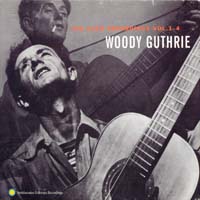
Woody Guthrie raises the bar with Dust Bowl Ballads
Dust Bowl Ballads- Album Overview
Released in 1940, "Dust Bowl Ballads" is a seminal album by American folk musician Woody Guthrie, notable for its poignant reflection on the hardships faced by those affected by the Great Depression and the Dust Bowl in the 1930s. The album was produced by the Library of Congress and released under the Victor label, featuring 14 tracks that capture the essence of this turbulent period in American history. Guthrie, a champion of the working class, used his music to tell stories of resilience, struggle, and hope, and "Dust Bowl Ballads" serves as a powerful testament to that mission.
The recording sessions were primarily conducted in New York City, with Guthrie collaborating with various musicians, including folk guitarist and singer Lead Belly, who influenced his sound. The album includes iconic tracks like "Do Re Mi," "I Ain't Got No Home," and "Dust Bowl Blues," each telling the stories of displaced families and the challenges of poverty. The songs are characterized by Guthrie’s distinctive voice and simple yet evocative melodies, drawing listeners into the narrative of the Dust Bowl experience.
Musically, the album is rooted in folk traditions, integrating elements of country and blues, which further enhances its cultural significance. The release of "Dust Bowl Ballads" marked a pivotal moment in folk music, helping to shape the genre and influencing countless artists in subsequent decades. It highlighted the power of music as a form of social commentary, making Guthrie an enduring symbol of American folk activism.
Review
"Dust Bowl Ballads" is a raw and unfiltered exploration of human hardship, delivered with the authenticity that only Woody Guthrie can provide. The album's sound is both simple and profound; Guthrie's acoustic guitar playing complements his heartfelt lyrics, creating an intimate atmosphere that invites listeners to connect deeply with the stories being told. The lyrical content is rich with imagery and emotion, painting a vivid picture of the struggles during the Dust Bowl era. Guthrie's storytelling ability shines through, as he captures the spirit of resilience and the human condition amidst adversity.
The artistic vision behind the album is clear: Guthrie aimed to raise awareness about the plight of the marginalized and dispossessed, using his music as a platform for social change. His ability to blend personal narrative with broader social commentary is a hallmark of his work, and "Dust Bowl Ballads" encapsulates this effectively. The album stands as a powerful reminder of the resilience of the human spirit and the importance of community during times of crisis.
Highlights
- Authentic storytelling that resonates with listeners.
- Rich musical arrangements that blend folk, country, and blues.
- Significant cultural impact, influencing generations of musicians.
Weak points
- Production quality may feel dated to modern audiences.
- Some tracks may lack the musical complexity found in contemporary folk.
- Limited commercial appeal at the time of release, overshadowed by more mainstream acts.
Overall evaluation
"Dust Bowl Ballads" is not just an album; it is a pivotal historical document that captures the essence of a challenging time in American history through the lens of folk music. Woody Guthrie's ability to convey empathy and resilience makes this work timeless.
Personal rating: 9/10 1964Library of Congress Recordings
 0Ballads of Sacco