
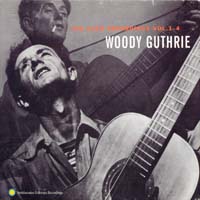
How Woody Guthrie shaped the sound of Worried Man Blues
Worried Man Blues- Album Overview
Released in 1944, "Worried Man Blues" is one of Woody Guthrie's seminal works that encapsulates the essence of American folk music during a tumultuous time. Released under the Folkways Records label, this album marked a significant moment in Guthrie's career as he continued to develop his unique blend of traditional folk, blues, and social commentary, which resonated deeply with the American populace facing the struggles of World War II and the Great Depression. The album features a collection of tracks that reflect the anxieties and hopes of the common man, with "Worried Man Blues" serving as the title track that embodies the album's themes of despair and resilience. Guthrie's recording sessions often took place in New York City, where he collaborated with other folk musicians and artists who were part of the burgeoning folk scene. This album was one of the first to be released in the post-war era and showcased Guthrie's ability to capture the zeitgeist through relatable storytelling and a raw, emotive vocal style. The arrangements are simple yet effective, often featuring just Guthrie's guitar and harmonica, allowing the lyrics to take center stage. "Worried Man Blues" stands out not only for its musicality but also for its cultural significance, as it helped lay the groundwork for future folk revival movements. Guthrie's influence can be seen in the works of later artists such as Bob Dylan and Pete Seeger, who would draw on his lyrical depth and social consciousness. The album remains a vital part of America's musical heritage, symbolizing the power of music as a form of protest and reflection.
Review
"Worried Man Blues" is a poignant reflection of Woody Guthrie's artistic vision, characterized by its stripped-down instrumentation and deeply personal lyrics. The sound of the album is unmistakably folk, with Guthrie's acoustic guitar providing an intimate backdrop for his storytelling. The title track, with its haunting melody and relatable themes, showcases Guthrie's mastery of blending personal experience with broader social issues. The lyrics convey a sense of urgency and vulnerability, drawing listeners into the emotional landscape of the worried man, which can be interpreted as a representation of many individuals grappling with hardship. Guthrie's voice carries a rawness that is both comforting and unsettling, capturing the spirit of the times while remaining timeless in its appeal. The simplicity of the production underscores the sincerity of the message, allowing the listener to connect deeply with the sentiments expressed. Overall, the album is a compelling examination of the human condition, delivered through the lens of one of America's most influential folk musicians.
Highlights
- Raw, emotive vocal delivery that resonates with listeners.
- Timeless themes of struggle and resilience in the face of adversity.
- Simple yet effective instrumentation that highlights Guthrie's lyrical prowess.
Weak points
- Production quality may feel dated to contemporary listeners.
- Limited musical variety across the album’s tracks.
- Some may find the themes overly bleak or repetitive.
Overall evaluation
In conclusion, "Worried Man Blues" is a landmark album that solidifies Woody Guthrie's legacy as a pivotal figure in American folk music. Its honest portrayal of life's struggles and the human spirit's resilience continues to resonate today. While it may not appeal to everyone due to its simplicity and somber themes, its cultural and historical significance cannot be overstated.
Personal rating: 8/10 1964Library of Congress Recordings
 0Ballads of Sacco