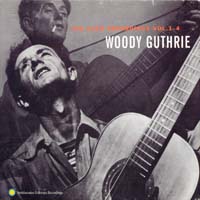
For many decades, Woody Guthrie has been both praised and criticized for his unique style of music as a prominent American singer-songwriter. Naturally talented with an unwavering passion for the art form of folk music, Guthrie crafted introspective yet solemn tunes that struck a chord with audiences worldwide. His heartbreaking lyrics contained stories about sociopolitical issues affecting various communities in need of attention and protection. Through songwriting, Guthrie served as an outspoken activist protecting those who were without voices during their time. While his messages and impact may not go forgotten, there still remain critiques that question if his legacy remains relevant today. In this blog post we will explore both the praise and criticism associated with one of America's most inspiring musicians in history: Woody Guthrie.
Woodie Guthrie, the legendary American singer-songwriter, is celebrated for his exceptional ability to create music that spoke to the plight of communities. He used his folk music to highlight societal injustices and became an advocate for the voiceless. His music inspired various activists and musicians even after his death. Despite his positive contributions, Woody Guthrie has not escaped criticism, and many people question if his legacy remains relevant in modern times. In this blog post, we will delve into Woody Guthrie's life, his praises, and criticisms.
Woody Guthrie's music touched the hearts of many, and he rightfully earned himself a faithful following. The sincerity, intensity and depth of his music emerged from his personal life experiences and his view of the American society. Guthrie used his songs to address socio-political issues such as the Great Depression, social inequality, migrant workers’ struggles, racism, and political corruption. His songs not only entertained people but also imparted wisdom and raised awareness on critical issues. His 1940 album Dust Bowl Ballads is a classic example of such work, it highlights the devastating effect of the Dust Bowl crisis. Woody Guthrie used his music to inspire others to speak out and demand change, and he remains an icon for this reason.
While undoubtedly, Woody Guthrie's music impacted and influenced a vast section of people, there are criticisms about his legacy. Some critics argue that his folksy and topical music appeals only to a small margin of people and is overtly political. In their view, music should be apolitical and connect on a broader, more emotional level. They also argue that his simplistic lyrics were not poetic enough and his uncomplicated acoustic guitar playing style did not strike the creativity in music composition. Critics thought his style was limited to a particular time in history and that his influence is not felt in the same way today.
On the other hand, Guthrie's supporters refute these critiques, arguing that Woody Guthrie's music remains significant. They posit that Guthrie remains an industry standard for modern protest singers. His music has been immortalized in the works of many musicians and activists who have succeeded him. His lyrics continue to inspire movements that address political and social issues, helping people cope with modern-day struggles. Examples of artists who have emulated Guthrie's style include Bob Dylan, Joan Baez, Pete Seeger, and Bruce Springsteen.
Woody Guthrie was an American folk music legend that used his music to become an advocate for people on the margins of society. His legacy remains influential even though he died more than five decades ago. Countless musicians and social activists continue to be inspired by his music, and his sounds and message resonate with people of all ages. His music reminds us that art can be used as a tool for activism and that the political and social issues we face remain unchanging. In the end, Woody Guthrie remains an integral part of musicianship, an icon to the poor and oppressed. It is our responsibility to keep his legacy alive and carry his message forward.