Biography
Leonard Cohen: history and sound
Leonard Norman Cohen, CC GOQ (born 21 September 1934) is a Canadian singer-songwriter, musician, poet, and novelist. Leonard Cohen's music transcends any genre. His meaningful lyrics draw the listener in with stories and reflections of life, creating an emotional connection. His best songs explore heavy themes like heartache, loss, and longing. From the folk masterpiece Suzanne to Grammy-winning Hallelujah, Cohen is a master at crafting passionate and bittersweet melodies that linger long after they are gone. Known for his melodic nod to pop music, Leonard Cohen's genius often seems untouchable Almost four decades worth of musical gems remain posthumously popular today despite his decade long tours in support if his records stopped short in 1993.
Leonard Cohen: A Musical Biography
Leonard Cohen, a songwriter, poet, and singer, was a renowned Canadian singer-songwriter who had a remarkable impact on the music industry. He had a unique baritone voice that attracted fans from all over the world. His eloquent lyrics and distinct voice made him one of the most influential and talented musicians of his time. In this article, we will delve into the life and times of Leonard Cohen, exploring his best songs, successful concerts and his contribution to the music industry.
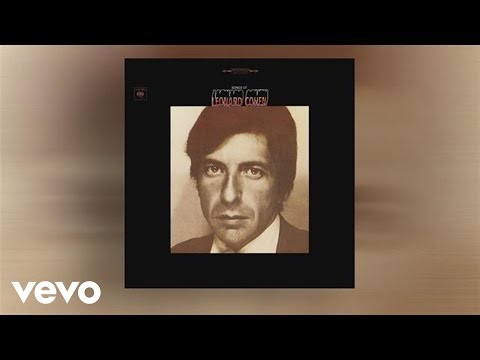
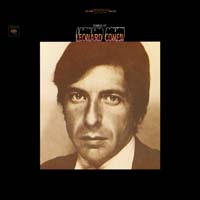
Leonard Cohen was born in Westmount, Quebec, in 1934. He took up music when he was in high school, teaching himself to play guitar. After college, he became a successful writer and moved to New York to work in the poetry scene. In 1967, he released his debut album, The Songs of Leonard Cohen, which became an instant success. The album featured Suzanne, a song that would become one of Cohen's most recognizable and enduring songs.
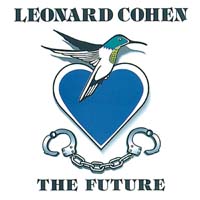
Cohen's music is characterized by his baritone voice, acoustic guitar instrumentation, and his poetic lyrics. His music genre is often classified as folk, but he had an affinity towards jazz, blues, and rock. His style has inspired many contemporary songwriters and bands, such as Nick Cave, REM, and The National. Some of Cohen's best songs are Hallelujah, The Future, Dance Me to the End of Love, and First We Take Manhattan.
Cohen's concerts were famous, and he performed all over the world. In 1973, he performed a sold-out concert in Israel, which led to an emotionally charged moment in Israeli history. He performed for three hours and sang Lover Lover Lover in Hebrew, a song that became an anthem for Israeli soldiers. In 1976, he performed at the Isle of Wight Festival, where he wowed the crowd with his performance of So Long, Marianne. In 2008, he made a comeback to music after years of absence with his world tour The Grand Tour.
Leonard Cohen was not just a musician; he was a poet. His lyrics have been described as a fusion of poetry and music. Cohen's songs often dealt with themes like love, sadness, and spirituality. His deep, soulful voice conveyed the emotions in his songs. Leonard Cohen's music has been praised by critics, and he has won many awards throughout his career. In 2012, he received a Grammy Lifetime Achievement Award. He has also been inducted into the Rock and Roll Hall of Fame and the Canadian Music Hall of Fame.
Leonard Cohen's contribution to the music industry is undeniable. His deep, baritone voice and his poetic lyrics set him apart from other musicians of his time. His music has influenced many contemporary songwriters, and his songs have been covered by a variety of artists. Cohen's body of work is a reflection of his deep-thinking, spiritual, and perceptive nature. His music will continue to inspire people for generations to come.
Leonard Cohen: A Musical Biography
Leonard Cohen, a songwriter, poet, and singer, was a renowned Canadian singer-songwriter who had a remarkable impact on the music industry. He had a unique baritone voice that attracted fans from all over the world. His eloquent lyrics and distinct voice made him one of the most influential and talented musicians of his time. In this article, we will delve into the life and times of Leonard Cohen, exploring his best songs, successful concerts and his contribution to the music industry.
Leonard Cohen was born in Westmount, Quebec, in 1934. He took up music when he was in high school, teaching himself to play guitar. After college, he became a successful writer and moved to New York to work in the poetry scene. In 1967, he released his debut album, The Songs of Leonard Cohen, which became an instant success. The album featured Suzanne, a song that would become one of Cohen's most recognizable and enduring songs.
Cohen's music is characterized by his baritone voice, acoustic guitar instrumentation, and his poetic lyrics. His music genre is often classified as folk, but he had an affinity towards jazz, blues, and rock. His style has inspired many contemporary songwriters and bands, such as Nick Cave, REM, and The National. Some of Cohen's best songs are Hallelujah, The Future, Dance Me to the End of Love, and First We Take Manhattan.
Cohen's concerts were famous, and he performed all over the world. In 1973, he performed a sold-out concert in Israel, which led to an emotionally charged moment in Israeli history. He performed for three hours and sang Lover Lover Lover in Hebrew, a song that became an anthem for Israeli soldiers. In 1976, he performed at the Isle of Wight Festival, where he wowed the crowd with his performance of So Long, Marianne. In 2008, he made a comeback to music after years of absence with his world tour The Grand Tour.
Leonard Cohen was not just a musician; he was a poet. His lyrics have been described as a fusion of poetry and music. Cohen's songs often dealt with themes like love, sadness, and spirituality. His deep, soulful voice conveyed the emotions in his songs. Leonard Cohen's music has been praised by critics, and he has won many awards throughout his career. In 2012, he received a Grammy Lifetime Achievement Award. He has also been inducted into the Rock and Roll Hall of Fame and the Canadian Music Hall of Fame.
Leonard Cohen's contribution to the music industry is undeniable. His deep, baritone voice and his poetic lyrics set him apart from other musicians of his time. His music has influenced many contemporary songwriters, and his songs have been covered by a variety of artists. Cohen's body of work is a reflection of his deep-thinking, spiritual, and perceptive nature. His music will continue to inspire people for generations to come.