

The evolution of Leonard Cohen-Songs of Love and Hate in Songs of Love and Hate
Album overview
Released in 1971, "Songs of Love and Hate" is the third studio album by Canadian singer-songwriter Leonard Cohen. The album was released under the Columbia Records label and produced by Cohen himself, along with the assistance of his long-time collaborator, John Simon. It features a collection of nine tracks, including notable songs such as "Love Calls You by Your Name," "Famous Blue Raincoat," and "Joan of Arc." The album is characterized by its deep, poetic lyrics and haunting melodies that explore themes of love, despair, and the human condition.
Recording sessions took place in the early 1970s at the A&R Studios in New York City, where Cohen's distinct baritone voice was complemented by rich arrangements that included strings, piano, and subtle percussion. The album showcases Cohen's ability to blend folk, rock, and chanson, creating a sound that is both introspective and deeply resonant. "Songs of Love and Hate" did not produce any mainstream singles, but it has since gained critical acclaim and is regarded as one of Cohen's most significant works, reflecting the struggles and complexities of love and relationships.
Culturally, the album represents a pivotal moment in Cohen's career, solidifying his status as a leading figure in the singer-songwriter movement of the 1970s. Its lyrical depth and emotional honesty have continued to influence countless artists and resonate with audiences, making it a timeless piece in Cohen's rich discography.
Review
"Songs of Love and Hate" stands as a testament to Leonard Cohen's unmatched lyrical prowess and unique artistic vision. The album's sound is a blend of melancholic folk and poetic introspection, with Cohen's deep voice guiding listeners through a labyrinth of emotion. Each track is imbued with a sense of yearning, often exploring the darker sides of love and the human experience. The instrumentation is minimal yet poignant, allowing Cohen's lyrics to take center stage, which is a hallmark of his style.
The album's standout track, "Famous Blue Raincoat," is a perfect example of Cohen's storytelling ability, weaving a complex narrative of love, betrayal, and regret. Meanwhile, "Joan of Arc" features a haunting melody that complements the lyrical themes of sacrifice and longing. Overall, the album captures the essence of Cohen's artistic evolution, showcasing his ability to convey profound emotions through simple yet powerful musical arrangements.
Highlights
- The poetic depth of Cohen's lyrics is unmatched and resonates with listeners on multiple levels.
- The minimalistic yet effective instrumentation enhances the emotional weight of each song.
- Tracks like "Famous Blue Raincoat" and "Joan of Arc" are standout examples of Cohen's storytelling mastery.
Weak points
- The somber tone may not appeal to all listeners, particularly those seeking more upbeat music.
- Some tracks may feel repetitive in their themes of love and despair.
- The album's production, while evocative, could be considered dated by modern standards.
Overall evaluation
"Songs of Love and Hate" is a profound exploration of love's complexities, showcasing Leonard Cohen's lyrical genius and artistic evolution. While its somber tone may not suit every listener, the album remains a crucial piece of Cohen's legacy.
Personal rating: 9/10 ``` 2019Thanks For The Dance
 2014Popular Problems
 2012Old Ideas
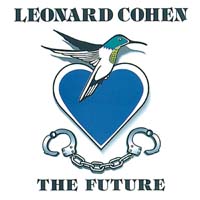 1992The Future
 1988I'm Your Man
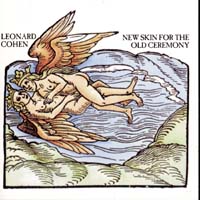 1974New Skin for the Old Ceremony
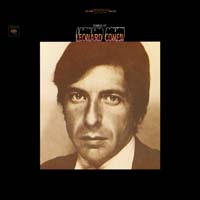 1967Songs of Leonard Cohen