
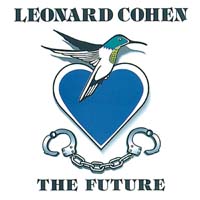
Exploring the sound of Leonard Cohen-The Future: The Future
Album overview
"The Future," released in 1992, is Leonard Cohen's eighth studio album, showcasing his distinctive blend of folk, rock, and pop influences imbued with deep poetic lyrics. The album was released under Columbia Records and produced by Cohen alongside his long-time collaborator, Steve Addabbo. Recording took place in various locations, including the iconic Sound Stage in Los Angeles, and the album features contributions from several notable musicians, including Jennifer Warnes and Roscoe Beck. The album's lead single, "First We Take Manhattan," is a compelling reimagining of a song from his previous work, and it garnered significant attention. Other standout tracks include the hauntingly beautiful "Dance Me to the End of Love" and the reflective "Anthem," which features the memorable line, 'There is a crack in everything, that's how the light gets in.' Thematically, "The Future" explores issues of love, loss, and existential musings, resonating with listeners through its blend of melancholy and hope. The album is often considered a pivotal moment in Cohen's career, marking his return to the music scene after a hiatus and setting the stage for his later works. Its cultural significance lies in its prophetic lyrics and Cohen's ability to articulate the complexities of the human experience, making it a timeless piece in the canon of modern music.
Review
"The Future" stands out as a testament to Leonard Cohen's unparalleled songwriting ability and his distinctive voice, which carries a weight of experience and emotion. The album's production is rich, with layers of instrumentation that complement Cohen's baritone. Tracks like "The Future" and "Anthem" showcase an evolution in his sound, incorporating more contemporary elements while remaining deeply rooted in his folk origins. Lyrically, Cohen delves into themes of despair and hope, navigating the turbulent waters of human existence with grace. The juxtaposition of haunting melodies with profound, sometimes disturbing lyrics creates a resonant listening experience that invites introspection. Cohen's artistic vision shines through, as he grapples with societal issues and personal demons, making "The Future" not just an album, but a reflection on the complexities of life itself.
Highlights
- The album features some of Cohen's most iconic songs, showcasing his lyrical prowess.
- Rich production and a diverse sound palette enhance the emotional depth of the music.
- It addresses universal themes of love, loss, and existential reflection, making it timeless.
Weak points
- Some listeners may find the slower pace of the album less engaging.
- Occasional overproduction may detract from Cohen's raw vocal delivery.
- Thematically dense lyrics may require multiple listens to fully appreciate.
Overall evaluation
Leonard Cohen's "The Future" is a profound and introspective work that solidifies his status as a master lyricist and composer. Its exploration of the human condition resonates deeply, even decades after its release.
Personal rating: 9/10 ``` 2019Thanks For The Dance
 2014Popular Problems
 2012Old Ideas
 1988I'm Your Man
 1974New Skin for the Old Ceremony
 1970Songs of Love and Hate
 1967Songs of Leonard Cohen