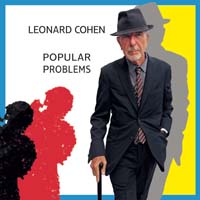
Leonard Cohen is not just any talented musician, he is a true icon of the industry. His music has captured the hearts of generations and his unique style is still revered today. But who is Leonard Cohen and what made him so special? In this blog post, we will be exploring the musical biography of Leonard Cohen, from his beginnings, his most famous albums, his most famous songs, and his influences.
Leonard Cohen was born into a Jewish family in Montreal, Canada. In his early days, he was known more for his literary work than his music, studying poetry at McGill University and later working as a writer and poet in New York City. He didn't start recording music seriously until he was in his thirties when he moved back to Canada and began performing at various clubs and cafes.
His first album, 'Songs of Leonard Cohen', was released in 1967 and contained some of his most famous songs, including Suzanne, Master Song, and Hey, That's No Way To Say Goodbye. The album was an instant success, blending Cohen's poetry with his unique style of music. He followed up this success with several more albums, including Songs from a Room, Songs of Love and Hate, and New Skin for the Old Ceremony.
Cohen's music was deeply influenced by religion, literature, and philosophy. He was drawn to the works of Federico García Lorca, William Butler Yeats, and Walt Whitman but also found inspiration in various religious texts like the Torah and the Bible. His music was a fusion of folk and rock with a touch of jazz, often featuring intricate guitar work, melancholic melodies, and deep, meaningful lyrics.
One of the standout albums in Cohen's discography is his 1988 album 'I'm Your Man'. This album showcased a more electronic sound, with influences from George Gershwin, Jacques Brel, Kurt Weill, and even disco music. It included hits like First We Take Manhattan, Everybody Knows, and Tower of Song.
Cohen's legacy grew even more with his final album, 'You Want It Darker,' released in 2016, just months before his death. This album features some of Cohen's most bleak and existential work, with songs like the titular track, Treaty, and Leaving the Table. It is a fitting end to a musical legacy that spanned several decades.
Leonard Cohen's contribution to music cannot be overstated. His unique blend of poetry and music has inspired generations of musicians and music listeners. He was a true icon, who moved audiences with his music and touched their souls with his lyrics. His legacy will continue to be celebrated for years to come, and we can all be grateful for the gift of his music.
Leonard Cohen's contribution to music cannot be overstated. His unique blend of poetry and music has inspired generations of musicians and music listeners. He was a true icon, who moved audiences with his music and touched their souls with his lyrics. His legacy will continue to be celebrated for years to come, and we can all be grateful for the gift of his music.