

Where Did Our Love Go: the next chapter for The Supremes
Where Did Our Love Go- Album Overview
"Where Did Our Love Go" is the landmark debut studio album by The Supremes, released on June 17, 1964, under the Motown label. This pivotal record is often hailed as a cornerstone of the Motown sound, blending elements of pop, soul, and R&B, and showcasing the trio's vocal prowess and emotional delivery. The album was produced by the legendary team of Holland-Dozier-Holland, who crafted its infectious melodies and sophisticated arrangements, contributing significantly to The Supremes' signature sound.
The album features the iconic title track "Where Did Our Love Go," which became a massive hit and reached number one on the Billboard Hot 100 chart. Other notable singles include "Baby Love" and "Come See About Me," both of which also topped the charts and solidified The Supremes as one of the leading acts of the 1960s. The album’s success marked a significant moment in music history, as it helped to elevate the stature of African American artists in a predominantly white music industry.
Recorded at Motown's Hitsville U.S.A. studio in Detroit, the album showcases the group’s harmonies and the innovative production techniques that would come to define the Motown sound. The cultural significance of "Where Did Our Love Go" extends beyond its commercial success; it played a crucial role in the rise of girl groups and set the stage for future female artists in the genre. The Supremes not only became cultural icons but also paved the way for generations of female musicians, blending style, substance, and social relevance.
Review
The sound of "Where Did Our Love Go" is a quintessential representation of the Motown era, characterized by lush orchestration, catchy hooks, and the smooth vocal harmonies of Diana Ross, Mary Wilson, and Florence Ballard. Lyrically, the album explores themes of love, heartbreak, and longing, resonating with listeners through its relatable sentiments. The standout track, "Where Did Our Love Go," encapsulates these themes perfectly, combining a melancholic melody with an upbeat tempo, creating a juxtaposition that is both poignant and danceable.
The artistic vision behind the album reflects the broader cultural shifts of the 1960s, as The Supremes not only entertained but also influenced social norms, redefining the role of women in popular music. The production quality is exceptional, with Holland-Dozier-Holland's meticulous attention to detail evident in every track. The album's cohesive sound, combined with the trio's effortless charm, establishes "Where Did Our Love Go" as a timeless classic that continues to resonate with audiences today.
Highlights
- Memorable and iconic singles that define the Motown sound.
- Rich vocal harmonies and emotional delivery from the trio.
- Cultural impact that paved the way for future female artists.
Weak points
- Some tracks may feel formulaic compared to later, more experimental Motown releases.
- Limited lyrical diversity across the album.
- The production style may feel dated to some modern listeners.
Overall evaluation
"Where Did Our Love Go" stands as a monumental achievement in music history, representing not just a successful debut for The Supremes but also a pivotal moment for the Motown label and the music industry as a whole. Its blend of catchy melodies, heartfelt lyrics, and cultural significance ensures its place in the pantheon of classic albums.
Personal rating: 9/10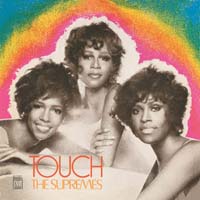 1971Touch
 1965More Hits by the Supremes