

The Supremes – I Hear a Symphony: track-by-track perspective
I Hear a Symphony- Album Overview
"I Hear a Symphony" is the fifth studio album by the iconic Motown girl group The Supremes, released on October 31, 1966. This album is a significant entry in the group's discography, showcasing their evolution within the Motown sound. Produced by the legendary team of Holland-Dozier-Holland, the album features a blend of pop, soul, and R&B, a hallmark of The Supremes' music style during the 1960s. The recording sessions took place at Motown's Hitsville U.S.A. Studios in Detroit, where the group had established its reputation for producing timeless hits.
The album includes the classic title track "I Hear a Symphony," which became a major hit, reaching number one on the Billboard Hot 100 chart. Other notable singles from the album include "You Can't Hurry Love" and "My World Is Empty Without You," both of which contributed to The Supremes' status as cultural icons. The lush orchestral arrangements and the group's harmonious vocals exemplify the sophistication of the Motown sound.
Culturally, "I Hear a Symphony" reflects the growing influence of African American artists in mainstream pop music during the 1960s. The Supremes not only broke racial barriers but also set the stage for future generations of female artists. Their style, fashion, and music left an indelible mark on the music industry, making the album a significant part of the Motown legacy.
Review
The sound of "I Hear a Symphony" is a masterclass in orchestration, featuring lush strings and vibrant brass that complement the smooth vocals of Diana Ross and her fellow Supremes. The lyrical themes revolve around love, longing, and the emotional highs and lows that come with relationships, encapsulated perfectly in tracks like "I Hear a Symphony" and "My World Is Empty Without You." The artistic vision of this album is clear: to blend pop sensibilities with deep emotional resonance, creating music that not only topped charts but also connected with listeners on a personal level.
The production is polished, showcasing the group's harmonies and the ability to convey emotion through their performances. The arrangements are sophisticated yet accessible, ensuring that the songs remain timeless. While the album has a cohesive sound, some tracks stand out more than others, showcasing the group's versatility and depth. Overall, "I Hear a Symphony" is a testament to The Supremes' enduring legacy and their role in shaping the sound of popular music.
Highlights
- Rich orchestral arrangements that enhance the group's vocal prowess.
- Memorable and emotionally resonant lyrics that connect with listeners.
- Strong production values that showcase the Motown sound at its peak.
Weak points
- Some tracks may feel formulaic compared to earlier, more groundbreaking hits.
- Occasional overproduction that can overshadow the group's natural vocal talents.
- Limited experimentation with different musical styles beyond the established Motown sound.
Overall evaluation
"I Hear a Symphony" solidifies The Supremes' status as one of the most influential groups in music history. While it may not reach the groundbreaking heights of their earlier works, the album is a solid collection of beautifully crafted songs that continue to resonate. It encapsulates the essence of 1960s pop and R&B, ensuring its place in music history.
Personal rating: 8/10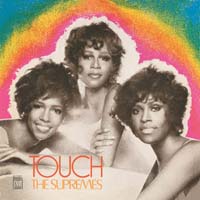 1971Touch
 1965More Hits by the Supremes