
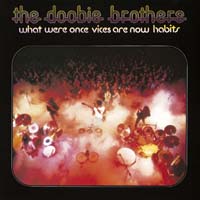
The Doobie Brothers experiments boldly on What Were Once Vices Are Now Habits
What Were Once Vices Are Now Habits- Album Overview
"What Were Once Vices Are Now Habits," released in 1974, is the fourth studio album by the iconic American rock band, The Doobie Brothers. This album marked a pivotal moment in the band's evolution, showcasing their unique blend of rock, country, and rhythm and blues, while also experimenting with more complex song structures and lyrical themes. Released under Warner Bros. Records, the album was produced by Ted Templeton, who played a crucial role in shaping the band's sound during the early 1970s.
The recording sessions took place in California, where the band aimed to capture their dynamic live energy in the studio. The album features several notable tracks, including the hit single "Black Water," which became a number one hit on the Billboard Hot 100 chart. The album also includes "Another Park, Another Sunday," which, while not as commercially successful, highlighted the band's lyrical depth and melodic prowess.
Musically, the album is characterized by its rich instrumentation and harmonies, blending electric and acoustic elements seamlessly. Collaborators such as Michael McDonald, who would later become a significant member of the band, contributed to the album’s vocal arrangements, adding a soulful touch to their sound. The cultural significance of "What Were Once Vices Are Now Habits" lies in its reflection of the changing musical landscape of the 1970s, as bands began to explore more intricate songwriting, paving the way for future rock acts.
Review
The Doobie Brothers strike a remarkable balance between experimentation and accessibility on "What Were Once Vices Are Now Habits." The album opens with the infectious groove of "Flight 8," immediately drawing listeners into its laid-back yet vibrant atmosphere. Lyrically, the band explores themes of introspection, change, and the passage of time, often reflecting the personal experiences of the band members. The juxtaposition of upbeat tracks like "Black Water" with more contemplative songs like "Another Park, Another Sunday" showcases the band's versatility and willingness to push boundaries.
Musically, the album shines through its rich textures, with intricate guitar work and lush harmonies that have become hallmarks of The Doobie Brothers’ sound. The production by Ted Templeton enhances the album's overall feel, allowing the raw energy of the band to shine through while maintaining a polished finish. Overall, the album is a testament to The Doobie Brothers' artistic vision, blending different genres and styles while staying true to their roots.
Highlights
- Engaging blend of rock, country, and R&B influences.
- Memorable hit single "Black Water" showcases the band’s catchy songwriting.
- Strong lyrical themes of introspection and change resonate throughout the album.
Weak points
- Some tracks may feel overly polished and less spontaneous.
- Not all songs achieve the same level of impact as the singles.
- The album's length may test the patience of some listeners.
Overall evaluation
"What Were Once Vices Are Now Habits" stands as a significant entry in The Doobie Brothers' discography, reflecting their growth as musicians and songwriters. It successfully captures the essence of the era while introducing innovative elements that would influence future generations. Overall, this album is a compelling listen for both longtime fans and newcomers alike.
Personal rating: 8/10 2021Liberté
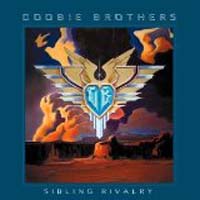 2000Sibling Rivalry
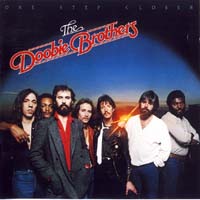 1980One Step Closer
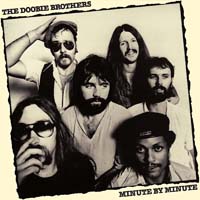 1978Minute by Minute
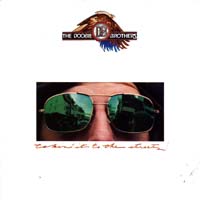 1976Takin' It to the Streets
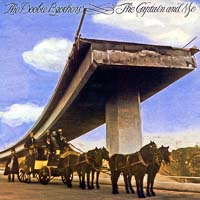 1973The Captain and Me
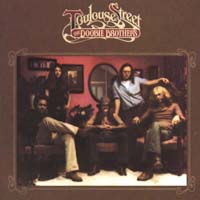 1972Toulouse Street