
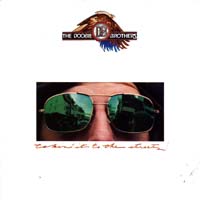
Exploring the sound of The Doobie Brothers: Takin' It to the Streets
Takin' It to the Streets- Album Overview
"Takin' It to the Streets," released on March 1, 1976, is the fifth studio album by the iconic rock band The Doobie Brothers. Marking a significant transition in the band's sound, this album is noted for its incorporation of funk and R&B influences, a departure from their earlier work that leaned more towards rock and country. Produced by Ted Templeman and released under Warner Bros. Records, the album features soulful vocals from the group's new lead singer, Michael McDonald, who replaced Tom Johnston. This change in frontman brought a fresh dynamic to the band, evident in the smooth harmonies and sophisticated arrangements present throughout the record. The album includes notable tracks such as the title song "Takin' It to the Streets," "It Keeps You Runnin'," and "Rockin' Down the Highway," all of which showcase McDonald's distinctive vocal style and the band's signature blend of rock, soul, and rhythm & blues. The single "Takin' It to the Streets" reached No. 13 on the Billboard Hot 100 and became a defining hit for the band, establishing them as a force in the 1970s music scene. "Takin' It to the Streets" was recorded at the famed Wally Heider Studios in San Francisco, reflecting the vibrant music culture of the era. Collaborators on the album included celebrated musicians such as Jeff Baxter and percussionist Bobby LaKind, enhancing its rich sound palette. The album not only solidified The Doobie Brothers' place in rock history but also marked a pivotal moment in the evolution of their musical identity, blending various genres and appealing to a broader audience.
Review
The sound of "Takin' It to the Streets" is a compelling mix of rock and soul, characterized by Michael McDonald's smooth, emotive vocals and the band's tight instrumentation. The opening track, "Takin' It to the Streets," is a perfect example of this blend, combining catchy melodies with a driving beat that invites listeners to engage. The lyrical themes often revolve around personal reflection and social consciousness, with McDonald's introspective writing adding depth to the music. The production by Ted Templeman is polished and captures the essence of the mid-70s sound, featuring lush arrangements and a variety of instruments that enhance the overall listening experience. Tracks like "It Keeps You Runnin'" explore emotional vulnerability, while "Rockin' Down the Highway" showcases the band's more upbeat, carefree side. The contrast between McDonald's soulful delivery and the band’s rock roots creates a unique harmonic tension that makes the album compelling from start to finish. However, while the album is celebrated for its musical innovation, some long-time fans of the band's earlier, more rock-oriented sound may find the shift towards soul and funk somewhat jarring. Nevertheless, this artistic evolution is a testament to The Doobie Brothers' versatility and willingness to explore new musical territories.
Highlights
- Michael McDonald's soulful vocals bring a fresh perspective to the band's sound.
- Strong songwriting with a blend of rock, soul, and R&B influences.
- Hit singles like "Takin' It to the Streets" showcase the band's ability to craft memorable melodies.
Weak points
- The shift in sound may alienate fans of their earlier work.
- Some tracks may feel less energetic compared to earlier albums.
- Heavier reliance on studio production techniques may overshadow raw musicality.
Overall evaluation
"Takin' It to the Streets" stands as a landmark album that successfully bridged the gap between rock and soul, showcasing The Doobie Brothers' evolution as artists. While it may not resonate with all fans, its impact on the band's legacy and its place in the 1970s music landscape is undeniable.
Personal rating: 8 2021Liberté
 2000Sibling Rivalry
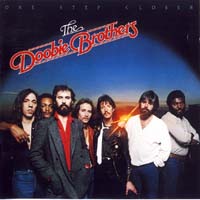 1980One Step Closer
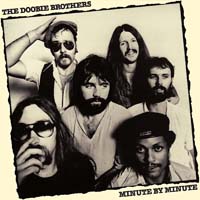 1978Minute by Minute
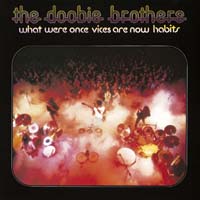 1974What Were Once Vices Are Now Habits
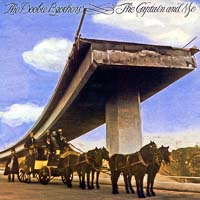 1973The Captain and Me
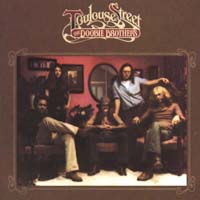 1972Toulouse Street