

Stampede: discovering The Doobie Brothers's artistry
Stampede- Album Overview
"Stampede," released in 1974, marks the fifth studio album by the renowned American rock band The Doobie Brothers. Released under Warner Bros. Records, the album showcases the band's distinctive blend of rock, folk, and R&B, further solidifying their place in the soundscape of the 1970s. Produced by Ted Templeton, the album was recorded at the famed CBS Studios in San Francisco, where the band had previously captured their signature sound. "Stampede" features a notable lineup of musicians, including lead vocalists Tom Johnston and Patrick Simmons, who contribute to the album's rich and varied sonic palette. The album includes standout tracks like "I Cheat the Hangman," which embodies the band's storytelling prowess, and "Take Me in Your Arms," a soulful ballad that highlights their vocal harmonies. The singles from the album, particularly "I Cheat the Hangman," received considerable radio airplay and contributed to the band's growing popularity. Although not as commercially successful as their earlier works, "Stampede" is significant for its artistic exploration and cohesion. The album's themes touch on love, loss, and self-reflection, showcasing a more introspective side of The Doobie Brothers. The cultural significance of "Stampede" lies in its ability to bridge multiple musical genres, appealing to a diverse audience and influencing future rock bands. The album encapsulates the essence of a transformative period in American music, where the fusion of rock and other genres began to take shape, paving the way for the band's continued success in the years that followed.
Review
"Stampede" stands as a testament to The Doobie Brothers' artistic vision during a pivotal moment in their career. The album opens with a robust guitar riff in "Sweet Maxine," setting an upbeat tone that is both infectious and inviting. Lyrically, the songs delve into themes of heartache and resilience, particularly evident in "I Cheat the Hangman," where the lyrics weave a compelling narrative. The dual vocal approach of Johnston and Simmons creates a rich tapestry of sound, allowing for a dynamic listening experience. Musically, "Stampede" is characterized by its intricate guitar work, tight harmonies, and a blend of rock and soul influences that keep the listener engaged. The production by Ted Templeton adds a polished quality, enhancing the overall sound without overshadowing the band's raw energy. However, while the album is filled with standout moments, it occasionally feels uneven in pacing, with some tracks standing out more than others. Overall, "Stampede" may not have reached the commercial heights of its predecessors, but it undoubtedly reflects the band's artistic growth and willingness to experiment.
Highlights
- Intricate guitar work and tight harmonies showcasing the band's musical prowess.
- Compelling storytelling in tracks like "I Cheat the Hangman."
- Diverse sonic palette that blends rock, folk, and R&B influences.
Weak points
- Uneven pacing, with some tracks feeling less impactful than others.
- Not as commercially successful as earlier albums, which may limit its recognition.
- Some may find the introspective themes less engaging than the band's more upbeat hits.
Overall evaluation
"Stampede" is an album that reflects The Doobie Brothers' artistic evolution, showcasing their ability to blend genres while telling poignant stories. While it may not achieve the same level of acclaim as previous works, it remains a significant part of their discography, highlighting their musical versatility and depth.
Personal rating: 7/10 2000Sibling Rivalry
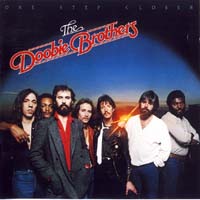 1980One Step Closer
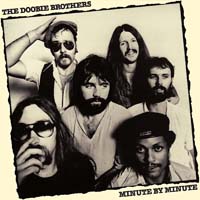 1978Minute by Minute
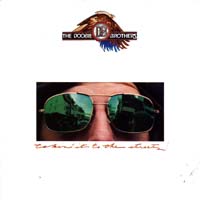 1976Takin' It to the Streets
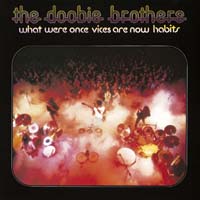 1974What Were Once Vices Are Now Habits
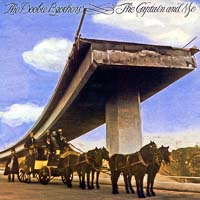 1973The Captain and Me
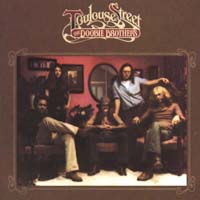 1972Toulouse Street