
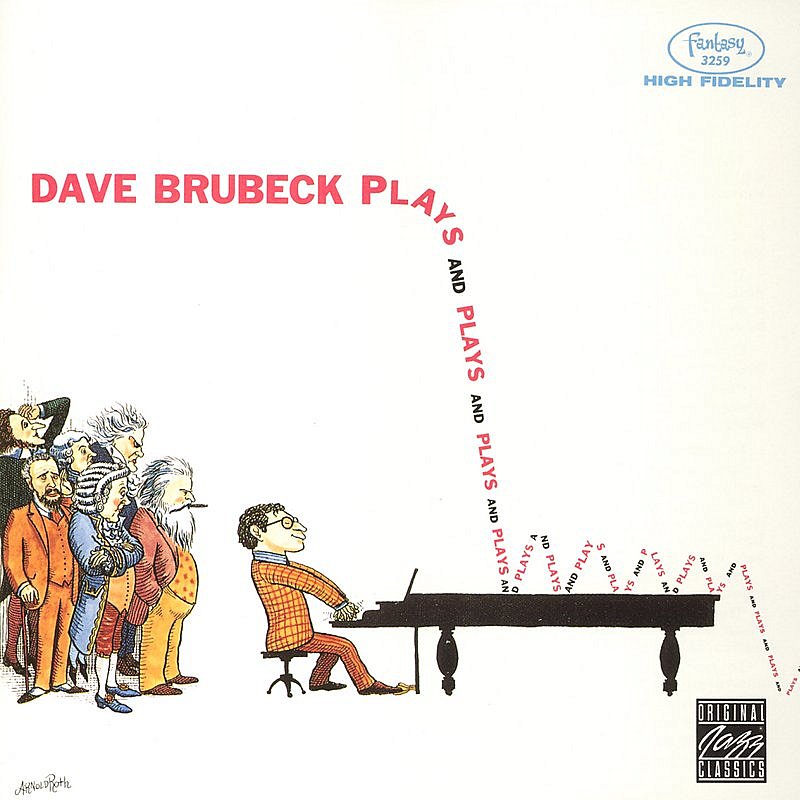
We're All Together Again For The First Time by Dave Brubeck: expectations vs reality
We're All Together Again For The First Time- Album Overview
"We're All Together Again For The First Time," released in 1973, marks a significant moment in the illustrious career of jazz pianist and composer Dave Brubeck. The album was produced under the Columbia Records label and features a collection of engaging tracks that showcase Brubeck's distinctive style, characterized by complex time signatures and rich harmonies. The album came about during a period of reflection for Brubeck, who sought to reunite with his longtime collaborators, including saxophonist Paul Desmond, after a decade of exploring various musical paths.
The recording sessions took place in the early 1970s, capturing the essence of a group that had matured both musically and personally. The album includes standout tracks such as "The Way You Look Tonight" and "Take Five," which are reinterpreted in a fresh context, demonstrating Brubeck's innovative approach to jazz. Collaborators on this project include the legendary Desmond, drummer Joe Morello, and bassist Eugene Wright, creating a harmonious blend that resonates throughout the album.
The cultural significance of "We're All Together Again For The First Time" cannot be overstated; it not only highlights the return of a beloved ensemble but also reflects the ever-evolving landscape of jazz during the 1970s. This album serves as a bridge between the past glories of Brubeck's earlier work and the new directions he would explore, making it a vital piece in the history of jazz music. The album’s release was well-received, with critics praising its nostalgic yet innovative sound, reminding listeners of the timeless appeal of Brubeck's artistry.
Review
The sound of "We're All Together Again For The First Time" is both familiar and refreshing. The album opens with a vibrant energy that encapsulates Brubeck's signature style—playful yet sophisticated. The interplay between Brubeck and Desmond is especially notable, as their musical dialogue flows seamlessly throughout the tracks. The intricate arrangements on pieces like "Take Five" breathe new life into a classic, illustrating Brubeck's ability to reinvent his work while retaining its core essence. Lyrically, the album is primarily instrumental, allowing the musicianship to shine through without the distraction of words.
Artistically, Brubeck's vision is clear: to celebrate the reunion of friends and collaborators while pushing the boundaries of jazz. The album embodies a sense of joy and nostalgia that resonates with both longtime fans and new listeners. However, some may find that while the album successfully revisits past glories, it occasionally lacks the daring experimentation that characterized Brubeck's earlier work. Nevertheless, it remains a testament to the enduring legacy of one of jazz's greatest figures.
Highlights
- The seamless collaboration between Dave Brubeck and Paul Desmond, showcasing their musical chemistry.
- Innovative reinterpretations of classic tracks that bring a fresh perspective to beloved standards.
- The nostalgic yet vibrant atmosphere that captures the essence of jazz in the 1970s.
Weak points
- Occasional lack of daring experimentation compared to Brubeck's earlier work.
- Some tracks may feel overly familiar to longtime fans, lacking the element of surprise.
- A few selections may not resonate as strongly with listeners unfamiliar with Brubeck's previous catalog.
Overall evaluation
In conclusion, "We're All Together Again For The First Time" is a commendable reunion album that celebrates the legacy of Dave Brubeck and his collaborators. While it may not reach the experimental heights of his earlier works, it provides a delightful listening experience that captures the joy and nostalgia of jazz. The album stands as a testament to Brubeck's artistry and his ability to reinvent himself.
Personal rating: 8/10