
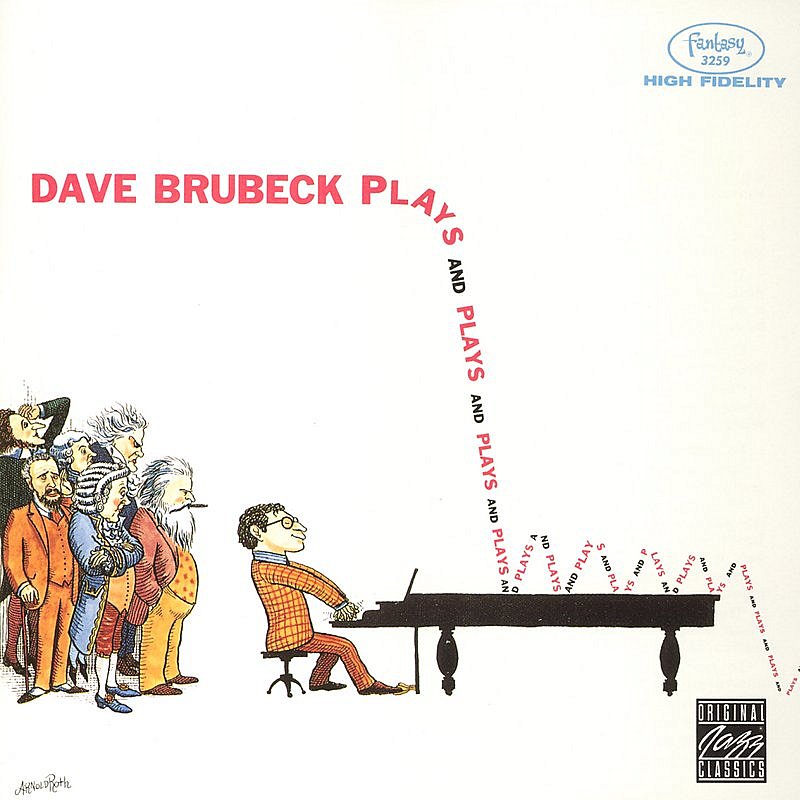
From intro to finale: what Out Of Nowhere delivers
Out Of Nowhere- Album Overview
"Out Of Nowhere" is a notable jazz album by the legendary pianist and composer Dave Brubeck, released in 1970 under the label Columbia Records. This album showcases Brubeck's innovative approach to jazz, blending intricate melodies with improvisational flair, characteristic of his style. The album features a collection of eight tracks, including the title track "Out Of Nowhere," which exemplifies Brubeck's ability to transform standard jazz forms into something fresh and engaging. Collaborating with his long-time bandmates, including saxophonist Paul Desmond, bassist Eugene Wright, and drummer Joe Morello, Brubeck creates a cohesive sound that is both complex and accessible. The recording sessions took place at the renowned Columbia Studios, where Brubeck sought to capture the spontaneity of live performance while ensuring high production quality. The album not only highlights Brubeck's virtuosic piano skills but also reflects the cultural milieu of the late 1960s and early 1970s, a time when jazz was increasingly merging with popular music genres. "Out Of Nowhere" is significant not only for its musicality but also for its contribution to the evolution of jazz, influencing countless musicians in the years to follow, and it remains a staple in the jazz repertoire.
Review
The album "Out Of Nowhere" is a masterclass in jazz composition and improvisation. Brubeck’s piano work is fluid and expressive, successfully melding intricate harmonies with rhythmic complexity. Each track unfolds with a sense of narrative and emotion, inviting listeners into a world where spontaneity reigns. The standout title track is particularly notable for its playful melody and intricate arrangements, showcasing Brubeck’s knack for transforming familiar themes into something uniquely his own. Moreover, Brubeck's collaboration with Paul Desmond shines throughout the album. Desmond's smooth saxophone lines complement Brubeck's piano perfectly, creating a dialogue that feels both conversational and dynamic. The rhythm section, featuring Wright and Morello, provides a solid backbone, effortlessly supporting the melodic explorations while also offering moments of individual flair. While the album possesses a cohesive sound, the transitions between tracks sometimes feel abrupt, which may disrupt the listening experience for some. However, this could also be seen as a reflection of the jazz ethos, celebrating the unpredictable nature of live performance. Overall, "Out Of Nowhere" is a testament to Brubeck's artistic vision and his ability to push the boundaries of jazz.
Highlights
- Complex and engaging compositions that showcase Brubeck's innovative style.
- Brilliant collaborations with talented musicians, particularly Paul Desmond on saxophone.
- Cultural significance in the evolution of jazz during a transformative era.
Weak points
- Some abrupt transitions between tracks that may disrupt the flow for listeners.
- Occasional reliance on familiar jazz standards might feel predictable to some.
- Limited commercial appeal compared to more mainstream jazz recordings of the time.
Overall evaluation
"Out Of Nowhere" stands as a significant contribution to the jazz genre, exemplifying Brubeck's artistry and innovative spirit. While it has its weaknesses, the album's strengths far outweigh them, making it a must-listen for jazz enthusiasts.
Personal rating: 8/10