
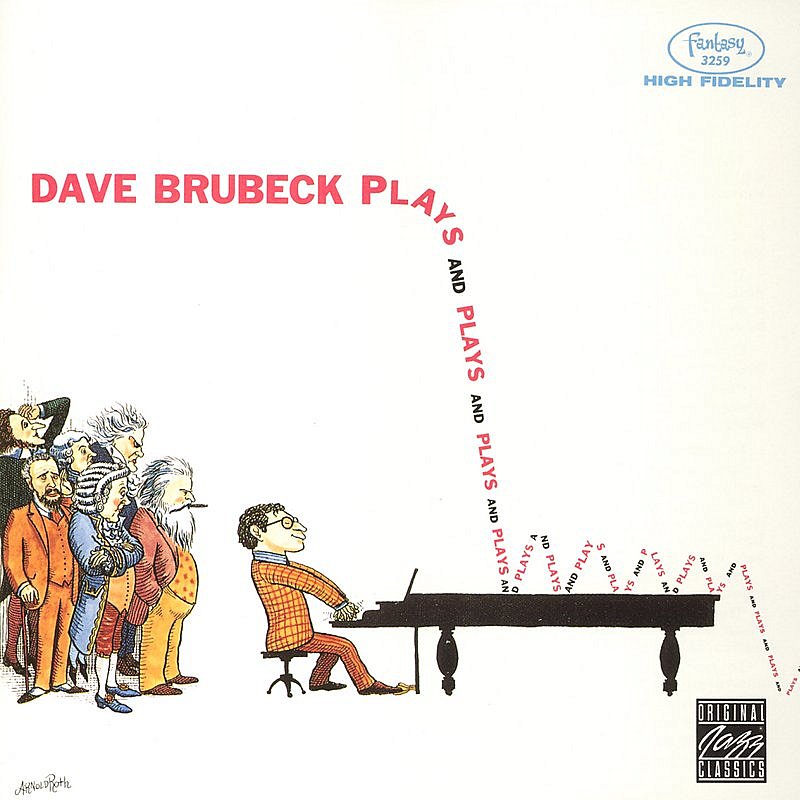
Dave Brubeck – The Quartet: track-by-track perspective
The Quartet- Album Overview
"The Quartet," released in 1966, is a standout album by the legendary jazz pianist and composer Dave Brubeck. This album showcases Brubeck's innovative approach to jazz, featuring his iconic quartet comprising Paul Desmond on alto saxophone, Eugene Wright on bass, and Joe Morello on drums. Produced under the Columbia Records label, "The Quartet" reflects Brubeck's commitment to pushing the boundaries of jazz through complex time signatures and harmonic explorations.
The recording sessions took place during a period when Brubeck was at the height of his creative powers, following the groundbreaking success of "Time Out." The album features a selection of original compositions and jazz standards, all arranged to highlight the quartet's synergy and individual talents. Notably, tracks like "Take Five" and "Blue Rondo à la Turk" exemplify Brubeck's ability to blend classical influences with the spontaneity of jazz, creating a sound that is both sophisticated and accessible.
Brubeck's collaboration with Desmond is particularly noteworthy, as their interplay defines much of the album's emotional depth. The arrangements explore a variety of moods and tempos, showcasing their versatility as musicians. "The Quartet" does not have singles in the traditional sense, but tracks from this album became staples in Brubeck's live performances. The cultural significance of this album lies in its role in popularizing jazz during the 1960s, as well as its influence on subsequent generations of jazz musicians who sought to challenge conventions.
Review
The sound of "The Quartet" is characterized by its intricate arrangements and the seamless interplay among the quartet members. Brubeck's piano work is both melodic and rhythmically adventurous, frequently exploring offbeat accents that challenge traditional jazz forms. Desmond's saxophone melodies provide a lyrical contrast, often soaring above Brubeck's complex harmonies.
Each track on the album offers a unique perspective on jazz, from the brisk tempos of "Three to Get Ready" to the reflective tones of "Koto Song." The artistic vision behind "The Quartet" is clear: Brubeck aimed to create a listening experience that is both intellectually stimulating and emotionally resonant. The album stands as a testament to his ability to blend technical proficiency with a deep understanding of musical expression.
Highlights
- The exceptional synergy between the quartet members enhances the overall musical experience.
- The innovative use of time signatures and complex arrangements that challenge traditional jazz norms.
- Memorable melodies that linger long after listening, particularly in tracks like "Take Five."
Weak points
- Some listeners may find the intricate arrangements occasionally overwhelming or less accessible.
- The album lacks a standout single that could have garnered more mainstream attention.
- While musically rich, certain tracks may feel lengthy for those accustomed to more conventional song structures.
Overall evaluation
In "The Quartet," Dave Brubeck showcases his mastery of jazz composition and ensemble playing. The album is a pivotal work that illustrates the evolution of jazz in the 1960s, bridging the gap between popular music and sophisticated art forms. Its lasting appeal continues to inspire musicians and aficionados alike.
Personal rating: 9/10