
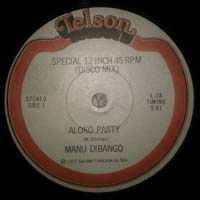
The evolution of Manu Dibango in Waka Juju
Waka Juju- Album Overview
"Waka Juju," released in 1982, marks a significant chapter in the storied career of Cameroonian saxophonist and vibraphonist Manu Dibango. Known for his innovative fusion of jazz, funk, and traditional African rhythms, Dibango's work has consistently transcended cultural boundaries. "Waka Juju" was released under the label Tcham, further establishing his global presence in the music industry.
The album features a blend of Afrobeat and jazz elements, showcasing Dibango's signature saxophone style and rhythmic prowess. Collaborating with a range of talented musicians, including percussionists and keyboardists, the album offers a rich tapestry of sound that reflects Dibango's deep roots in African music while also embracing contemporary influences of the time. Its production is characterized by a vibrant mix of live instrumentation and studio techniques, typical of the early 1980s sound.
Several tracks stand out, particularly "Waka Juju," which became a notable single and encapsulates the essence of the album with its infectious grooves and catchy melodies. The album's cultural significance lies in its ability to bridge the gap between African traditional music and Western genres, making it a vital contribution to world music. Dibango's exploration of themes related to identity and heritage resonates particularly well with audiences who appreciate music as a vehicle for cultural expression. The album remains a testament to Dibango's musical evolution and his ability to remain relevant across different musical eras.
Review
"Waka Juju" brilliantly encapsulates Manu Dibango's unique artistic vision, blending intricate melodies with rhythmic complexity. The album opens with a vibrant energy that is both infectious and uplifting, inviting listeners to immerse themselves in its rich soundscape. Dibango's mastery of the saxophone is evident throughout, as he weaves intricate solos that add depth and emotion to the tracks.
The lyrics, while often simple, reflect deeper themes of community and cultural pride, effectively conveying Dibango's message through the music. The album's production is polished yet retains an organic feel, allowing the raw energy of the performances to shine through. Dibango's ability to merge traditional African sounds with contemporary jazz and funk creates a unique listening experience that is both nostalgic and fresh.
While the album is undoubtedly a celebration of rhythm and melody, its true artistry comes from the seamless integration of diverse musical styles, making "Waka Juju" a standout in Dibango's discography. The album's ability to resonate with both African and international audiences speaks volumes about Dibango's artistry and vision.
Highlights
- Infectious grooves that encourage movement and dance.
- Exceptional saxophone performances showcasing Dibango's virtuosity.
- A successful fusion of traditional African rhythms with contemporary jazz and funk.
Weak points
- Some tracks may feel repetitive to listeners unfamiliar with the genre.
- The production may seem dated to modern ears.
- Lyrical depth could be perceived as lacking in certain songs.
Overall evaluation
"Waka Juju" is a remarkable testament to Manu Dibango's evolution as an artist, offering a captivating blend of sounds that bridges cultural divides. Its rhythmic vitality and melodic richness make it a noteworthy entry in world music.
Personal rating: 8/10