
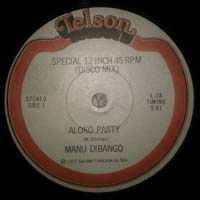
African Woodoo: exploring the world of Manu Dibango
African Woodoo- Album Overview
"African Woodoo," released in 1982, is one of the landmark albums by the legendary Cameroonian saxophonist and vibraphonist Manu Dibango. This album is a vibrant synthesis of jazz, funk, and traditional African rhythms, showcasing Dibango's unique ability to blend genres. It was released under the label Motown Records, marking an important collaboration that brought African music to a wider audience during the early 1980s. The album was recorded in Paris, where Dibango had established himself as a key figure in the world music scene.
Featuring a mix of original compositions and traditional African influences, "African Woodoo" includes notable tracks like "Mouvement," "Soul Makossa," and "Bamako." These tracks exemplify Dibango's talent for weaving complex rhythms and melodies that reflect his roots while appealing to a global audience. The collaboration with various talented musicians, including drummer Jasper van't Hof and guitarist Carlos Alomar, enriches the album's sound, creating a vibrant tapestry of musical expression.
A significant single from the album, "Soul Makossa," had already gained international acclaim prior to the album's release, further cementing Dibango's status as a pioneer of Afro-funk. The significance of this album goes beyond its musicality; it serves as a cultural bridge, introducing listeners worldwide to the rich sounds of African music and emphasizing the importance of cultural exchange in the global music landscape.
Review
The sound of "African Woodoo" is an exhilarating exploration of rhythm and melody. Manu Dibango’s signature saxophone provides a soulful and energetic lead throughout the album, while the intricate percussion and bass lines invite listeners to move and groove along. The production is polished yet retains the organic feel of live instrumentation, showcasing Dibango's ability to create music that is both sophisticated and accessible.
Lyrically, the album reflects themes of identity, culture, and celebration, often utilizing traditional African rhythms and melodies to convey deeper messages. The artistic vision of Dibango is clear: he seeks to not only entertain but also educate listeners about the richness of African musical heritage. The album’s artistic coherence and cultural significance make it a vital part of the world music canon.
Highlights
- Dynamic fusion of jazz, funk, and African rhythms.
- Masterful saxophone performances by Manu Dibango.
- Cultural significance in bridging African music with global audiences.
Weak points
- Some tracks may feel repetitive for casual listeners.
- Limited lyrical diversity in certain songs.
- Production style may not appeal to purists of traditional African music.
Overall evaluation
"African Woodoo" stands as a testament to Manu Dibango's genius and his role in the world music scene. Its infectious grooves and cultural depth make it a must-listen for anyone interested in the intersection of African music and global sounds.
Personal rating: 8.5/10