

Unpacking Pete Seeger's Waist Deep in the Big Muddy
Waist Deep in the Big Muddy- Album Overview
Released in 1971, "Waist Deep in the Big Muddy" is one of Pete Seeger's most poignant and politically charged albums. The album was produced by Seeger himself and released under the Folkways Records label, a platform known for its dedication to folk music and social issues. This album was recorded during a turbulent period in American history, marked by the Vietnam War and civil rights movements, and Seeger’s music reflects the societal struggles of the time.
The title track, "Waist Deep in the Big Muddy," is a powerful narrative about the perils of blindly following authority, based on Seeger's experiences and observations. The song gained notoriety for its performance on CBS’s "The Smothers Brothers Comedy Hour," where it was famously censored due to its critical stance on the Vietnam War. This incident highlighted the cultural tensions of the era and positioned Seeger as a figure of resistance against censorship.
Alongside the title track, the album features a mix of traditional folk songs and original compositions, showcasing Seeger's signature banjo style and storytelling ability. Collaborators on the album include longtime associates and fellow folk musicians, contributing to the rich tapestry of sound that characterizes Seeger's work. The album's themes of social justice and environmental concerns resonate strongly, making it a timeless piece that continues to inspire activism.
Overall, "Waist Deep in the Big Muddy" stands as a testament to Seeger’s commitment to using music as a tool for change, reflecting both personal and collective struggles while advocating for a more just society.
Review
Musically, "Waist Deep in the Big Muddy" exemplifies Seeger’s ability to blend traditional folk elements with contemporary issues. The album's arrangements are simple yet effective, allowing the powerful lyrics to take center stage. Seeger's weathered voice carries a sense of authenticity that speaks to the listener’s heart, making the political personal. The storytelling is vivid and evocative, drawing listeners into the narratives of struggle and hope.
Thematically, the album addresses the complexity of human experiences in the face of societal challenges. The title track serves as an allegory for the Vietnam War, illustrating how individuals can become trapped in their circumstances, echoing the broader societal critique. Seeger's commitment to activism and social change is palpable throughout the album, as he encourages listeners to reflect on their roles within their communities.
Overall, "Waist Deep in the Big Muddy" is not just an album; it is a call to conscience, urging listeners to engage with the world around them and strive for justice and understanding.
Highlights
- Powerful storytelling that resonates with social issues.
- Distinctive blend of traditional folk music with contemporary themes.
- Seeger's passionate and authentic vocal delivery.
Weak points
- Production quality may feel dated to some listeners.
- Limited commercial appeal due to its overtly political content.
- Some tracks may not resonate with audiences unfamiliar with folk traditions.
Overall evaluation
"Waist Deep in the Big Muddy" is a compelling blend of folk music and political activism that showcases Pete Seeger's enduring legacy. The album is an essential listen for anyone interested in the intersections of art and social justice.
Personal rating: 8/10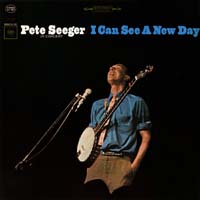 1964I Can See a New Day
 1956American Industrial Ballads