Biography
Pete Seeger: history and sound
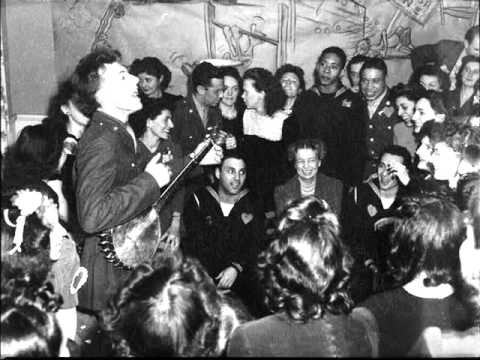
Peter Pete Seeger (May 3, 1919 – January 27, 2014) was an American folk singer and activist. A fixture on nationwide radio in the 1940s, he also had a string of hit records during the early 1950s as a member of the Weavers, most notably their recording of Lead Belly's Goodnight, Irene, which topped the charts for 13 weeks in 1950.
Pete Seeger: The Man Who Wove Music and Activism Together
In the world of music, there are a few individuals who have left their imprints so deep that their legacies have become immortal. Pete Seeger was one such personality who not just sang songs but wove them into a tool of activism. Seeger was an American folk singer, songwriter, and social activist who carved an unforgettable place for himself in the music industry. In this blog post, we will discuss his musical biography, his genre, his best songs, famous concerts, and a detailed music critic to understand the reason he continues to influence musicians today.
Pete Seeger does not need any introduction. But to those who are not aware, he was a folk icon born in 1919 in New York City. His family was a significant influence on his musical career, with his father being a well-known musicologist, and his mother, Constance Decker, a trained violinist. Seeger hit the music scene in the 1940s and co-founded multiple bands and groups throughout his career. He was a founding member of the Almanac Singers and later of the Weavers. Seeger's music was uniquely American, drawing inspiration from the country's diverse musical heritage, including blues, gospel, and country songs.
Seeger's music was about causing an impact, inspiring the masses, and fighting for freedom. He was one of the first artists to use his music to protest against war and racism. Some of his unforgettable songs include We Shall Overcome, If I Had A Hammer, Where Have All The Flowers Gone, and Turn, Turn, Turn. These songs still have universal relevance today, and their message resonates with individuals fighting for change.
Pete Seeger had many famous concerts, but one that stands out is his 1963 concert at Carnegie Hall, where he refused to sing to a segregated audience. He kept the audience waiting until the policy was changed, and the concert was opened up. Seeger used his music to fight against the flaws in society and speak up on behalf of the marginalized, and his actions outside the music space continued to support his cause.
A detailed analysis of Seeger's music will show how he infused his songs with politics, activism, and the fight for what is right. His music was a reflection of the times he lived in, and his message is more important today than ever. Seeger lived to age 94 and died in 2014, but his music and his message live on today.
Pete Seeger continues to inspire people with his music and message that spoke of unity, peace, and justice. Seeger's music was not merely an entertainment but a call to arms, and his message is clear and timeless. As a singer, songwriter, and activist, Seeger forever left a mark on musical history. His music not only reflected the times he lived in but inspired people to fight against oppression, inequality, and injustice. His music belongs to everyone, and his legacy will always be remembered in the music industry.
Pete Seeger: The Man Who Wove Music and Activism Together
In the world of music, there are a few individuals who have left their imprints so deep that their legacies have become immortal. Pete Seeger was one such personality who not just sang songs but wove them into a tool of activism. Seeger was an American folk singer, songwriter, and social activist who carved an unforgettable place for himself in the music industry. In this blog post, we will discuss his musical biography, his genre, his best songs, famous concerts, and a detailed music critic to understand the reason he continues to influence musicians today.
Pete Seeger does not need any introduction. But to those who are not aware, he was a folk icon born in 1919 in New York City. His family was a significant influence on his musical career, with his father being a well-known musicologist, and his mother, Constance Decker, a trained violinist. Seeger hit the music scene in the 1940s and co-founded multiple bands and groups throughout his career. He was a founding member of the Almanac Singers and later of the Weavers. Seeger's music was uniquely American, drawing inspiration from the country's diverse musical heritage, including blues, gospel, and country songs.
Seeger's music was about causing an impact, inspiring the masses, and fighting for freedom. He was one of the first artists to use his music to protest against war and racism. Some of his unforgettable songs include We Shall Overcome, If I Had A Hammer, Where Have All The Flowers Gone, and Turn, Turn, Turn. These songs still have universal relevance today, and their message resonates with individuals fighting for change.
Pete Seeger had many famous concerts, but one that stands out is his 1963 concert at Carnegie Hall, where he refused to sing to a segregated audience. He kept the audience waiting until the policy was changed, and the concert was opened up. Seeger used his music to fight against the flaws in society and speak up on behalf of the marginalized, and his actions outside the music space continued to support his cause.
A detailed analysis of Seeger's music will show how he infused his songs with politics, activism, and the fight for what is right. His music was a reflection of the times he lived in, and his message is more important today than ever. Seeger lived to age 94 and died in 2014, but his music and his message live on today.
Pete Seeger continues to inspire people with his music and message that spoke of unity, peace, and justice. Seeger's music was not merely an entertainment but a call to arms, and his message is clear and timeless. As a singer, songwriter, and activist, Seeger forever left a mark on musical history. His music not only reflected the times he lived in but inspired people to fight against oppression, inequality, and injustice. His music belongs to everyone, and his legacy will always be remembered in the music industry.