ALBUM NOTESHow Pete Seeger shaped the sound of Rainbow Race
Rainbow Race- Album Overview
Pete Seeger's "Rainbow Race," released in 1973, stands as a poignant testament to the folk music tradition and its capacity for social commentary. Released under the Folkways label, the album showcases Seeger's unique ability to weave together narratives of hope, environmentalism, and social justice through his music. Collaborating with a variety of talented musicians, including members of the Weavers, Seeger’s sound on this album blends traditional folk instrumentation with contemporary themes, reflecting the changing cultural landscape of the early 1970s.
The album features 10 tracks, including notable songs like "Rainbow Race" and "Well May the World Go," both of which highlight Seeger's commitment to unity and humanitarian values. The production of "Rainbow Race" was marked by Seeger's insistence on authenticity and simplicity, with an emphasis on acoustic instruments and vocal harmonies that allow the lyrics to shine. This album not only served as a reflection of Seeger's artistic vision but also as a platform for messages of environmental awareness and social change, aligning with the burgeoning movements of the time.
"Rainbow Race" achieved recognition for its thought-provoking lyrics and melodic charm, though it did not produce major commercial hits. Nevertheless, it remains significant in Seeger's catalog and the folk genre. The album encapsulates Seeger's enduring legacy as an artist who used his music to bridge divides and inspire collective action, making it a vital piece of the folk music puzzle that resonated with listeners in the '70s and continues to do so today.
Review
"Rainbow Race" is a sonorous journey that captures the essence of Pete Seeger's vision as a folk icon. The album is characterized by its rich acoustic textures, with Seeger’s banjo and guitar front and center, accompanied by a choir of voices that resonate with warmth and authenticity. The lyrics are deeply introspective, often calling for global unity and environmental stewardship, reflecting the socio-political climate of the early '70s.
The title track, "Rainbow Race," stands out for its hopeful message and uplifting melody, serving as a rallying cry for harmony among diverse peoples. Seeger's ability to convey complex themes in simple, yet profound language makes this album accessible yet impactful. While the musical arrangements are straightforward, they are effective in delivering the emotional heft of the songs. Seeger’s distinctive vocal style, marked by its sincerity, invites listeners to engage with the messages of compassion and cooperation.
Overall, the artistic vision behind "Rainbow Race" is one of inclusivity and activism, emphasizing that music can be a powerful tool for change. The album resonates with a sense of urgency, encouraging listeners to reflect on their roles in the world and to strive for a brighter future.
Highlights
- Uplifting and hopeful lyrical themes that resonate with audiences.
- Rich acoustic instrumentation that showcases Seeger's folk roots.
- Engaging vocal harmonies that enhance the emotional depth of the songs.
Weak points
- Lack of commercial hits may limit mainstream recognition.
- Simplistic arrangements may not appeal to all listeners.
- Some tracks may feel repetitive in theme and structure.
Overall evaluation
"Rainbow Race" is a poignant reflection of Pete Seeger’s legacy, merging folk traditions with a message of hope and unity. Its significance continues to endure in the context of social change.
Personal rating: 8/10


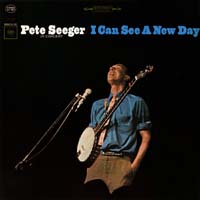 1964I Can See a New Day
 1956American Industrial Ballads