
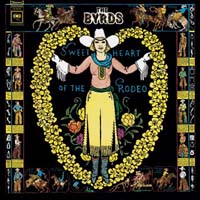
(Untitled) by The Byrds: expectations vs reality
(Untitled)- Album Overview
(Untitled), released in 1970, is the fifth studio album by American rock band The Byrds. This double album was released under the Columbia Records label and showcases a blend of country rock and folk rock, genres that the band helped pioneer. The recording sessions took place at various locations, including the famous Wally Heider Studios in San Francisco, where the band aimed to capture the essence of their live performances. The album includes contributions from all the band members, with Roger McGuinn, Chris Hillman, and Gene Clark playing key roles in songwriting and vocal duties.
The album features a mix of original songs and covers, and it was notable for including tracks like "Chestnut Mare," which stands out for its intricate harmonies and narrative lyrics. The song was released as a single, along with "Jesus Is Just Alright," which became a minor hit. The latter track, originally written by Arthur Reynolds, was imbued with the Byrds' signature jangly guitars and vocal harmonies, showcasing their ability to reinterpret existing material into something fresh and impactful.
Musically, (Untitled) reflects the band’s transition period, as it was one of their last albums before the original lineup disbanded. The album is significant not only for its sound but also for its embodiment of the countercultural movement of the late 1960s and early 1970s, as The Byrds continued to explore themes of love, spirituality, and social consciousness. Despite being a commercial success, reaching No. 20 on the Billboard charts, (Untitled) received mixed reviews at its release. Over time, however, it has been reevaluated as an essential part of The Byrds' legacy, showcasing their innovative spirit as they blended various musical styles.
Review
The sound of (Untitled) is both expansive and intimate, a testament to The Byrds' ability to craft rich soundscapes while maintaining a personal touch. The opening track, “Chestnut Mare,” is a standout, featuring intricate guitar work and a compelling narrative that captures the listener's attention. Lyrically, the album dives into themes of love, loss, and existentialism, showcasing the band’s lyrical depth. However, some tracks feel slightly disjointed, reflecting the band’s internal struggles during this transitional time. The latter half of the album features a more experimental approach, blending elements of jazz and country, which may alienate some long-time fans. Overall, the artistic vision of the album is ambitious but occasionally falters under its own weight, resulting in a mixed bag that is both rewarding and challenging to digest.
Highlights
- Rich harmonies and intricate musical arrangements.
- Strong songwriting, particularly on tracks like "Chestnut Mare."
- Cultural significance as a reflection of the countercultural movement.
Weak points
- Some tracks may feel disjointed or overly experimental.
- Mixed critical reception at the time of release.
- Lacks the cohesiveness found in earlier Byrds albums.
Overall evaluation
(Untitled) by The Byrds is a complex and ambitious album that captures the essence of a band in transition. While it offers some exceptional moments, it also exposes the challenges they faced during this period. Nevertheless, it stands as a testament to their creativity and influence in the rock genre.
Personal rating: 7/10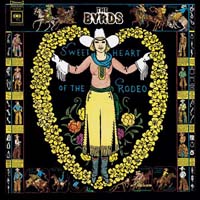 1968Sweetheart of the Rodeo
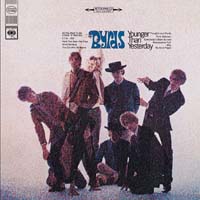 1967Younger Than Yesterday
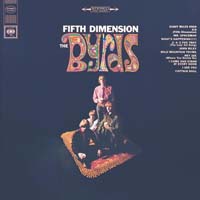 1966Fifth Dimension
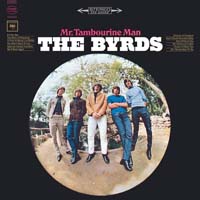 1965Mr. Tambourine Man