
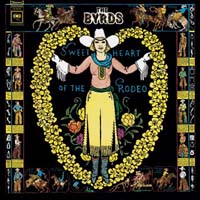
Ballad of Easy Rider: the story The Byrds wants to tell
Ballad of Easy Rider- Album Overview
"Ballad of Easy Rider," released on November 29, 1969, is the fifth studio album by American rock band The Byrds. It was produced by Terry Melcher and released under the Columbia Records label. This album is significant not only for its musical content but also as a cultural artifact reflecting the late 1960s counterculture. Following the band's foray into more experimental sounds, "Ballad of Easy Rider" marks a return to their folk rock roots while incorporating elements of country rock.
The album was inspired by the 1969 film "Easy Rider," which resonated deeply with the themes of freedom and rebellion prevalent during the era. Notably, the title track, "Ballad of Easy Rider," was co-written by Roger McGuinn and Bob Dylan, showcasing the band's connection to Dylan's lyrical depth. The album features a mix of original compositions and covers, including the poignant "It's All Over Now, Baby Blue" and the reflective "Jesus Is Just Alright," which became a staple in the band's live performances.
Collaborators on the album included musicians such as Clarence White and Gene Parsons, who added depth to the instrumentation with their exceptional talents. The album produced two singles: the title track and "Jesus Is Just Alright," both of which received considerable radio play. Musically, "Ballad of Easy Rider" is characterized by jangly guitars, harmonized vocals, and an overall laid-back vibe that captures the essence of the era. The album's themes of escapism and disillusionment resonate with the cultural upheaval of the time, solidifying its place in rock history.
Review
The Byrds' "Ballad of Easy Rider" presents a captivating blend of folk rock and country influences, marked by its introspective lyrics and harmonious melodies. The album's sound is both soothing and reflective, embodying the spirit of the late '60s while simultaneously showcasing the band's evolution. Roger McGuinn's distinctive guitar work and the tight harmonies create an ethereal soundscape that invites listeners to contemplate the themes of freedom and disillusionment.
Lyrically, the album stands out for its poignant storytelling, particularly in tracks like "Ballad of Easy Rider," which encapsulates the yearning for liberation amid societal constraints. The choice to include covers such as "It's All Over Now, Baby Blue" adds a layer of depth, highlighting the band's ability to reinterpret classic songs while infusing them with their unique sound. Overall, The Byrds succeed in crafting an artistic vision that resonates with listeners, making "Ballad of Easy Rider" a timeless piece of musical history.
Highlights
- Rich harmonies and melodic guitar work that define The Byrds' sound.
- Thematically resonant lyrics that reflect the cultural zeitgeist of the late 1960s.
- A successful blend of original songs and thoughtfully chosen covers that showcase the band's versatility.
Weak points
- Some tracks may feel less cohesive compared to the band's earlier works.
- The production occasionally lacks the polish found in contemporary albums.
- Not all songs achieve the same emotional impact, leading to uneven pacing.
Overall evaluation
"Ballad of Easy Rider" stands as a significant entry in The Byrds' discography, marrying the band's signature sound with the era's cultural themes. Though it may have its imperfections, the album remains a powerful reflection of its time, highlighting the quest for freedom and identity.
Personal rating: 8/10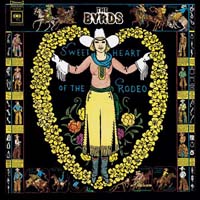 1968Sweetheart of the Rodeo
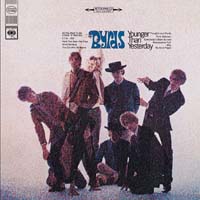 1967Younger Than Yesterday
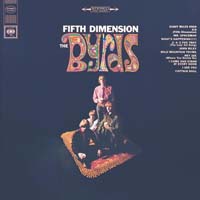 1966Fifth Dimension
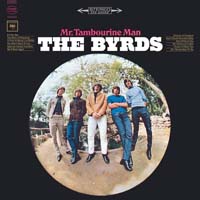 1965Mr. Tambourine Man