
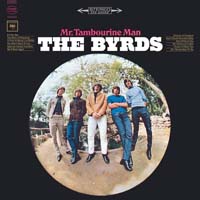
A closer look at The Byrds's album Mr. Tambourine Man
Mr. Tambourine Man- Album Overview
The Byrds's debut album, "Mr. Tambourine Man," was released on June 21, 1965, under Columbia Records. This seminal work marked a pivotal moment in the evolution of rock music, blending folk and rock elements to create a sound that would influence countless artists. The album was produced by Terry Melcher, who played a crucial role in shaping the Byrds' signature jangly guitar sound, largely credited to Roger McGuinn's Rickenbacker guitar. The recording sessions took place at Columbia Studios in Hollywood, California, where the band worked meticulously to capture their unique sound.
"Mr. Tambourine Man" features a total of 12 tracks, including the iconic title track, which was originally written by Bob Dylan. This cover, released as a single prior to the album, became a massive hit, reaching No. 1 on the Billboard Hot 100 chart. Other notable songs include "I'll Feel a Whole Lot Better," "All I Really Want to Do," and "Here Without You." The album is notable not just for its commercial success but also for its cultural significance, as it helped usher in the folk-rock movement and laid the groundwork for future genres such as psychedelic rock.
The Byrds consisted of Roger McGuinn, Jim (David) Crosby, Gene Clark, Chris Hillman, and Michael Clarke, each contributing to the album's rich harmonies and innovative sound. The blend of McGuinn's jangly guitar riffs, Crosby's ethereal harmonies, and Clark's poignant lyrics helped establish The Byrds as one of the leading bands of the 1960s. "Mr. Tambourine Man" remains a landmark album, praised for its artistic vision and its role in the broader context of 1960s counterculture.
Review
The lyrical content throughout the album often reflects themes of disillusionment and searching for meaning, which resonates deeply with the societal shifts happening in the 1960s. Tracks like "I'll Feel a Whole Lot Better" showcase Gene Clark's ability to weave personal feelings into universal experiences, while "All I Really Want to Do" features a playful yet poignant take on romantic longing.
Musically, the album balances upbeat tracks with more reflective moments, creating a dynamic listening experience. The production quality is crisp and clear, allowing each instrument and vocal harmony to shine. The Byrds manage to capture both the energy of youthful rebellion and the contemplative nature of folk music, making "Mr. Tambourine Man" a landmark in rock history.
Highlights
- Innovative fusion of folk and rock that helped define a genre.
- Memorable and timeless songs that continue to resonate.
- Exceptional musicianship, particularly in guitar work and vocal harmonies.
Weak points
- Some tracks may feel dated to modern listeners unfamiliar with the era.
- Occasional lyrical ambiguity might not appeal to all audiences.
- Limited diversity in musical styles across the album.
Overall evaluation
"Mr. Tambourine Man" stands as a crucial album in the history of rock music, showcasing The Byrds's ability to blend genres and create a sound that is both influential and enduring. Its significance in the folk-rock movement cannot be overstated, making it a must-listen for any music enthusiast.
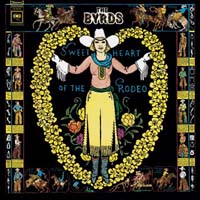 1973Byrds
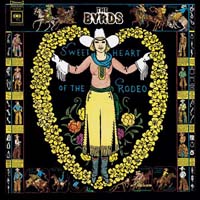 1968Sweetheart of the Rodeo
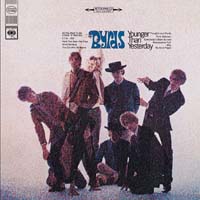 1967Younger Than Yesterday
 1966Fifth Dimension