ALBUM NOTESByrds by The Byrds: expectations vs reality
Byrds- Album Overview
The self-titled debut album "Byrds" by the American rock band The Byrds was released on October 21, 1965, under the Columbia Records label. This album is often heralded as a pivotal moment in the evolution of folk rock, blending elements of folk music with rock and roll, characterized by jangly guitars and harmonious vocals. The Byrds, formed in Los Angeles, featured members Jim McGuinn, Gene Clark, David Crosby, Chris Hillman, and Michael Clarke, each contributing to the dynamic sound that became their signature.
The album was produced by Terry Melcher, who played a crucial role in shaping The Byrds' sound. The recording sessions took place at the iconic Columbia Studios in Hollywood. The album includes notable tracks such as "Mr. Tambourine Man," a Bob Dylan cover that became a massive hit, reaching No. 1 on the Billboard charts. Other significant songs include "I'll Feel a Whole Lot Better" and "All I Really Want to Do," showcasing the band's ability to transform folk music into a more electric and vibrant sound.
"Byrds" marked a cultural shift in the 1960s, as it helped popularize the folk rock genre and influenced countless artists. The Byrds' innovative use of the electric 12-string guitar created a distinct sound that would become synonymous with the era. This debut effort set the stage for their subsequent albums, which would further explore and expand their artistic vision.
Review
The Byrds' self-titled album is an emblematic representation of the transition between folk and rock, successfully marrying poetic lyrics with melodic instrumentation. The strength of the album lies in its rich harmonies and the innovative use of the 12-string guitar, which creates a bright, chiming sound that is both uplifting and introspective. Lyrically, the songs delve into themes of longing and existential musings, a reflection of the changing social landscape of the 1960s.
Tracks like "Mr. Tambourine Man" showcase the band's ability to reinterpret existing material, breathing new life into Dylan's work while making it accessible to a broader audience. The production quality emphasizes clarity and brightness, allowing the intricate guitar work and vocal harmonies to shine through. However, while the album captures the essence of a burgeoning genre, some tracks may feel slightly dated to contemporary listeners.
Overall, The Byrds' debut encapsulates a moment in music history where innovation and tradition coalesce, setting a precedent for future generations of artists.
Highlights
- Groundbreaking blend of folk and rock elements.
- Memorable and influential tracks, particularly "Mr. Tambourine Man."
- Distinctive jangly guitar sound that defined a genre.
Weak points
- Some tracks may feel less impactful compared to their iconic singles.
- Occasional lyrical simplicity could be seen as a limitation.
- Production may sound dated to modern ears.
Overall evaluation
The Byrds' debut album remains a landmark achievement in the folk rock genre, showcasing a unique sound and lyrical depth that continues to resonate. While it has its imperfections, its contributions to music and culture are undeniable.
Personal rating: 8/10

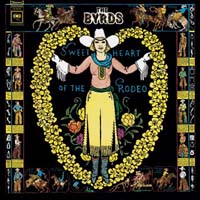
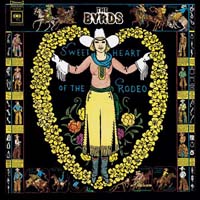 1968Sweetheart of the Rodeo
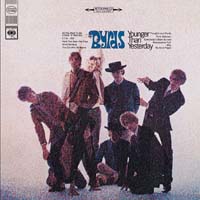 1967Younger Than Yesterday
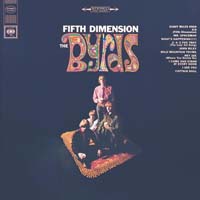 1966Fifth Dimension
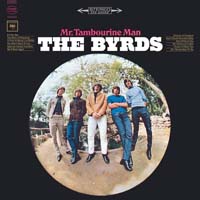 1965Mr. Tambourine Man