ALBUM NOTESFrom intro to finale: what Tommy Dorsey And His Orchestra Featuring Frank Sin delivers
Tommy Dorsey And His Orchestra Featuring Frank Sin- Album Overview
The album "Tommy Dorsey And His Orchestra Featuring Frank Sin," released in 1940, is a significant entry in the realm of big band and jazz music, showcasing the collaboration between one of the era's most prominent bandleaders, Tommy Dorsey, and the emerging vocal legend, Frank Sinatra. Released under the RCA Victor label, this album marked a critical point in Sinatra's career, as he transitioned from a band singer to a solo artist with a burgeoning reputation. The recordings took place during the golden age of big band music, capturing the essence of the swing era. Dorsey's orchestra, known for its rich brass sections and tight arrangements, provided a lush backdrop for Sinatra's smooth and emotive vocal style.
The album features several standout tracks that have since become classics, including "I'll Never Smile Again," which was a major hit and played a significant role in catapulting Sinatra to fame. The collaboration with Dorsey showcased not only the technical proficiency of the musicians but also the innovative arrangements that defined the period. The album's production is a testament to the sophistication of the big band genre, blending jazz, pop, and orchestral elements seamlessly. The synergy between Dorsey's orchestrations and Sinatra's vocal delivery is palpable, making this album a crucial artifact of American music history.
Review
"Tommy Dorsey And His Orchestra Featuring Frank Sin" is a masterclass in the art of big band music, where each track exemplifies the distinctive sound that defined the era. The album opens with a vibrant introduction that sets the stage for Sinatra's extraordinary vocal performances. His ability to convey emotion through his voice is particularly evident in ballads like "I'll Never Smile Again," where he effortlessly navigates the song's melancholic themes, showcasing his lyrical interpretation and vocal range.
The arrangements crafted by Dorsey are intricate yet accessible, providing a perfect canvas for Sinatra's vocal artistry. The blend of brass and woodwinds creates a rich tapestry of sound, while the rhythm section maintains a steady groove that invites listeners to tap their feet. Each song feels thoughtfully curated, allowing Sinatra to shine while also highlighting the orchestra's talent.
Overall, the album captures the essence of a time when jazz and pop were inextricably linked, making it both a reflective and celebratory piece of work. The production quality is noteworthy, as it reflects the advanced recording techniques of the time, enhancing the listening experience.
Highlights
- Sinatra's standout vocal performances, particularly in emotional ballads.
- The intricate and lively orchestral arrangements by Tommy Dorsey.
- The album's historical significance in the evolution of popular music.
Weak points
- Some tracks may feel dated to modern listeners unfamiliar with the era's style.
- The album's pacing could be uneven for those seeking a more contemporary flow.
- Limited variety in musical styles, primarily focusing on jazz and ballads.
Overall evaluation
"Tommy Dorsey And His Orchestra Featuring Frank Sin" remains an essential listen for fans of classic jazz and swing music. It captures a defining moment in Frank Sinatra's career while showcasing the brilliance of Tommy Dorsey's orchestra. The album is a celebration of talent, emotion, and the collaborative spirit of an era that shaped modern music.
Personal rating: 8/10

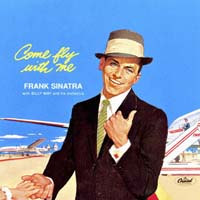 1958Come Fly With Me
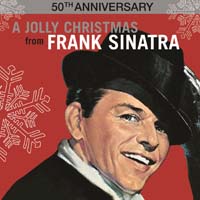 1957A Jolly Christmas From Frank Sinatra
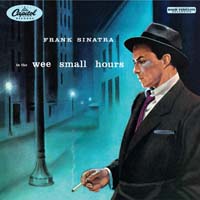 1955In the Wee Small Hours
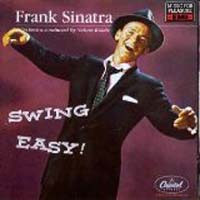 1954Swing Easy!
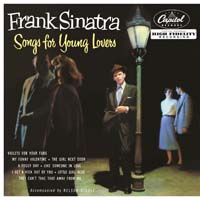 1954Songs for Young Lovers