

Frank Sinatra experiments boldly on Francis Albert Sinatra & Antônio Carlos Jobim
Francis Albert Sinatra & Antônio Carlos Jobim- Album Overview
Released in 1967, "Francis Albert Sinatra & Antônio Carlos Jobim" marks a significant moment in Frank Sinatra's illustrious career, showcasing a bold venture into bossa nova—a genre that was gaining international acclaim during the 1960s. Produced by the iconic engineer and producer, Claus Ogerman, the album was released under the Reprise Records label, which Sinatra himself founded. This collaboration with Brazilian composer Antônio Carlos Jobim not only highlights Sinatra's versatility but also reflects his willingness to embrace new musical trends. The album comprises ten tracks, including classics such as "The Girl from Ipanema," "Corcovado," and "Dindi," all of which are imbued with Jobim's signature rhythms and lush harmonies. The recording sessions took place in the summer of 1967, featuring a stellar lineup of musicians, including Jobim on guitar and piano, contributing to the album's rich and vibrant sound. The collaboration is characterized by a seamless blend of jazz and bossa nova, creating an atmosphere that is both sophisticated and relaxed. Singles like "The Girl from Ipanema" became instant classics, further cementing the album's cultural significance. This project was groundbreaking, as it introduced American audiences to the subtleties of Brazilian music, bridging cultural gaps during a time of social change. Sinatra's rich baritone complements Jobim's melodic genius, creating a timeless work that continues to resonate with listeners today.
Review
"Francis Albert Sinatra & Antônio Carlos Jobim" is an audacious blending of musical styles, and Sinatra dives into the bossa nova genre with both grace and confidence. The arrangements are lush and intricate, with Ogerman’s orchestration providing a warm backdrop to Sinatra’s smooth vocals. Tracks like "Corcovado" showcase Sinatra's ability to interpret Jobim’s melodies, infusing them with his unique phrasing and emotional depth. The lyrics, often poetic and evocative, are a perfect match for the gentle, flowing rhythms of bossa nova. Yet, what truly sets this album apart is its artistic vision. Sinatra and Jobim manage to create a dialogue between their respective musical traditions, resulting in a sound that feels both fresh and timeless. The interplay between Sinatra's voice and Jobim's guitar creates an intimate atmosphere, inviting listeners into a world of romance and nostalgia. While some traditional jazz fans may initially be taken aback by this departure from Sinatra's earlier swing-heavy works, the album ultimately stands as a testament to his enduring artistry and willingness to evolve.
Highlights
- Innovative blending of jazz and bossa nova styles.
- Rich, lush arrangements that enhance Sinatra's vocal performance.
- Timeless tracks that continue to resonate with a diverse audience.
Weak points
- Some traditionalists may find the departure from classic swing jarring.
- The album's slower tempo may not appeal to all listeners.
- Limited promotion of the album compared to Sinatra's other works at the time.
Overall evaluation
"Francis Albert Sinatra & Antônio Carlos Jobim" stands as a bold artistic statement in Sinatra's career, effectively merging two distinct musical worlds. The album's experimental nature and rich arrangements make it a significant work in the landscape of 1960s music. While it may not cater to every fan's preferences, its cultural and musical importance cannot be understated. Personal rating: 9/10
 1958Come Fly With Me
 1957A Jolly Christmas From Frank Sinatra
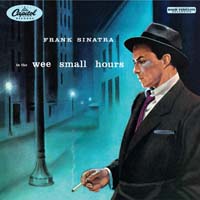 1955In the Wee Small Hours
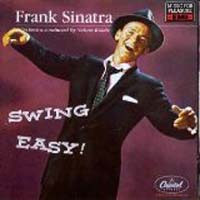 1954Swing Easy!
 1954Songs for Young Lovers