
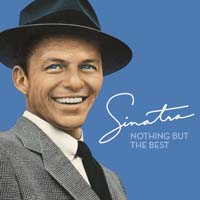
L.a. Is My Lady: the next chapter for Frank Sinatra
L.a. Is My Lady- Album Overview
"L.A. Is My Lady" is the final studio album by the legendary Frank Sinatra, released in 1984 under the Reprise Records label. The album was produced by Sinatra himself alongside the remarkable Quincy Jones, who brought a contemporary touch to the classic sound Sinatra was known for. The recording sessions took place at the famed Capitol Studios in Hollywood, where Sinatra had recorded many of his earlier hits. This album features a blend of jazz and pop standards, showcasing Sinatra's unparalleled vocal prowess, even in his later years. The tracklist includes notable songs such as "L.A. Is My Lady," "The Lady Is a Tramp," and "The Second Time Around," which highlight Sinatra’s ability to convey deep emotion and character through song. Collaborators on the album include the renowned jazz musicians, including the likes of Eric Gale and Richard Tee, who contributed their talents to create a rich sonic tapestry. The album's significance lies not only in its musical quality but also in its cultural context. It was released during a time when Sinatra was reflecting on his storied career, and "L.A. Is My Lady" serves as a love letter to the city that had been a significant part of his life. The album did not produce major chart-topping singles, but it has since been recognized for its artistic integrity and has maintained a loyal following among fans of classic jazz and pop.
Review
The sound of "L.A. Is My Lady" is quintessentially Sinatra, imbued with a sophisticated charm that resonates deeply with listeners. The arrangements are lush, thanks to Quincy Jones' expert orchestration, which blends smooth jazz with pop elements. Sinatra’s voice, though aged, remains compelling and rich, delivering each lyric with a sense of nostalgia and warmth. The lyrical content often reflects themes of love, longing, and the allure of Los Angeles, painting a picture of a city that holds both memories and dreams. Tracks like "L.A. Is My Lady" capture this essence perfectly, combining heartfelt delivery with Jones' captivating musical backdrop. While some might argue that the album lacks the groundbreaking innovation of Sinatra's earlier works, it stands as a testament to his enduring talent and ability to adapt to changing musical landscapes. Overall, the album encapsulates a mature Sinatra, one who has come to terms with his legacy while continuing to explore new musical avenues. It invites listeners into his world, leaving them with a sense of connection and reflection.
Highlights
- Rich orchestration and production quality
- Sinatra's emotive vocal performance
- Strong collaboration with Quincy Jones and top jazz musicians
Weak points
- Lack of major hit singles compared to earlier albums
- Some tracks may feel less innovative for longtime fans
- The album's slower tempo may not appeal to all listeners
Overall evaluation
"L.A. Is My Lady" serves as a fitting farewell from one of the most iconic voices in music history. It captures Sinatra at a reflective stage of his career, offering fans a final glimpse into his artistry. While it may not reach the heights of his classic works, it remains a cherished part of his discography.
Personal rating: 7/10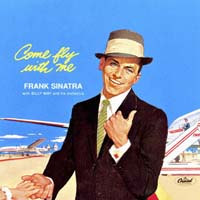 1958Come Fly With Me
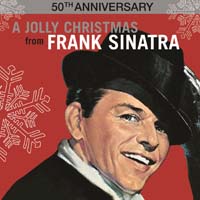 1957A Jolly Christmas From Frank Sinatra
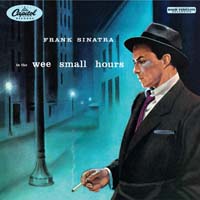 1955In the Wee Small Hours
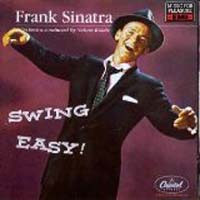 1954Swing Easy!
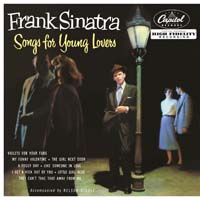 1954Songs for Young Lovers