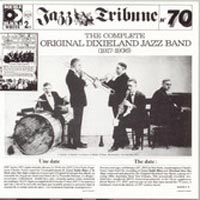
ALBUM NOTESOriginal Dixieland Jazz Band – Tiger Rag: track-by-track perspective
Tiger Rag- Album Overview
The "Tiger Rag" album, released in 1918, is a seminal work by the Original Dixieland Jazz Band (ODJB), a group often credited with bringing jazz music into the mainstream. The album was released under the Victor Talking Machine Company label, and it features a collection of tracks that showcase the band's innovative approach to jazz. The Original Dixieland Jazz Band, formed in 1916 in New Orleans, comprised talented musicians such as Nick LaRocca (cornet), Eddie Edwards (trombone), and Larry Shields (clarinet). Their music captures the exuberant spirit of the early jazz era, blending elements of ragtime and blues with improvisational flair.
"Tiger Rag," one of the standout tracks, became a defining piece of jazz repertoire, with its catchy melody and lively rhythm. The band recorded several versions over the years, but the 1918 rendition remains iconic. The album features other notable tracks, contributing to the development of jazz as a genre that emphasized collective improvisation and syncopated rhythms. The cultural significance of ODJB's work cannot be understated; they were among the first to record jazz music, helping to popularize the genre beyond New Orleans and into the broader American music scene. The album's influence extended into future jazz developments, inspiring countless musicians and shaping the sound of jazz for decades to come.
Review
The "Tiger Rag" album is a vibrant testament to the early days of jazz, characterized by its exuberant instrumentation and playful melodies. The sound is raw yet polished, capturing the spontaneity of live performance while benefiting from the clarity of studio recording. Each track showcases the individual talents of the band members, with LaRocca's cornet leading the charge, supported by the robust harmonies of Edwards' trombone and Shields' clarinet. The artistic vision of ODJB is centered around collective improvisation, a hallmark of jazz that allows for a conversational interplay between musicians. This approach not only engages the listener but also highlights the technical prowess of each musician.
Lyrically, the album remains instrumental, relying on the power of melody and rhythm to convey emotion rather than words. The vitality and joy of the music reflect the cultural energy of the time, as the band infused their performances with a sense of fun and excitement that was infectious. The overall production, though primitive by today's standards, effectively captures the essence of early jazz, creating an enduring legacy that continues to resonate with listeners and musicians alike.
Highlights
- Innovative and energetic ensemble playing that showcases the band's improvisational skills.
- Catchy melodies, particularly in "Tiger Rag," that have become staples in the jazz repertoire.
- The historical significance of the album in popularizing jazz music across America.
Weak points
- Limited production quality compared to modern recordings, which may deter some contemporary listeners.
- Instrumental focus may leave those expecting lyrical content wanting more.
- The overall length of the album is short, which may frustrate listeners looking for a more extensive experience.
Overall evaluation
Overall, "Tiger Rag" by the Original Dixieland Jazz Band is a landmark album that captures the essence of early jazz through its energetic performances and innovative spirit. It serves as a vital piece of music history and remains influential in the genre's ongoing evolution.
Personal rating: 8/10