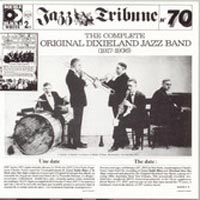
ALBUM NOTESThe Return 1935-38: discovering Original Dixieland Jazz Band's artistry
The Return 1935-38- Album Overview
The album "The Return 1935-38" by the Original Dixieland Jazz Band (ODJB) is a fascinating compilation that captures the resurgence of one of jazz’s pioneering ensembles during a pivotal era in the genre's evolution. Released in 1938, this collection showcases the band’s efforts to re-establish its presence in the jazz scene after a hiatus that followed their initial fame in the 1920s. The ODJB, credited with recording the first jazz record in 1917, played a significant role in defining the New Orleans jazz style.
This album was produced under the Vocalion label, a notable record company during the early 20th century, known for its commitment to preserving traditional jazz. The recordings feature classic tracks that highlight the band's signature sound, characterized by lively ensemble playing and spirited improvisation. Collaborators on the album include legendary musicians such as cornetist Nick LaRocca, who was a founding member of the band, and clarinetist Larry Shields, whose virtuosic playing adds depth to the ensemble's texture.
The cultural significance of "The Return 1935-38" is profound, as it documents the ODJB's attempts to connect with a new generation of listeners during a time when jazz was evolving rapidly, incorporating elements of swing and big band sounds. The album serves not only as a historical artifact but also as a testament to the enduring legacy of the Original Dixieland Jazz Band, illustrating their artistry and influence on the development of jazz music.
Review
"The Return 1935-38" is a delightful exploration of jazz’s early roots, showcasing the Original Dixieland Jazz Band's unique ability to blend traditional New Orleans styles with contemporary influences of the late 1930s. The sound quality is impressive for its time, allowing listeners to appreciate the clarity of each instrument, from the sharp, bright tones of the cornet to the smooth, flowing lines of the clarinet.
The album features a series of lively performances that evoke the festive spirit of early jazz, with tracks like "Tiger Rag" and "Sensation" showcasing the band's characteristic energy and improvisational flair. While the tracks may lack the complexity found in later jazz forms, the simplicity and joy of the music are infectious, making it accessible to both jazz aficionados and casual listeners alike.
Lyrically, the album is largely instrumental, allowing the musicians’ proficiency to take center stage. The artistic vision behind the album reflects a desire to revive the band's relevance in a changing musical landscape, and they succeed in delivering a nostalgic yet fresh sound.
Highlights
- Vibrant ensemble playing that captures the essence of early jazz.
- Strong improvisational skills showcased by each musician.
- A historical perspective on the evolution of jazz music.
Weak points
- Some tracks may feel repetitive for modern listeners.
- Lack of lyrical depth in predominantly instrumental pieces.
- Limited production techniques compared to contemporary standards.
Overall evaluation
"The Return 1935-38" is a significant contribution to the preservation of jazz history, celebrating the Original Dixieland Jazz Band's artistry and influence. It serves as both an enjoyable listening experience and a valuable document of the genre's evolution.
Personal rating: 7/10