ALBUM NOTESOriginal Dixieland Jazz Band 1917-1923 by Original Dixieland Jazz Band: expectations vs reality
Original Dixieland Jazz Band 1917-1923- Album Overview
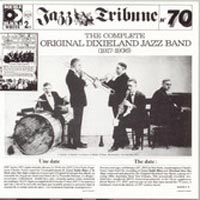
The "Original Dixieland Jazz Band 1917-1923" compilation album showcases the seminal works of the Original Dixieland Jazz Band (ODJB), a group that played a pivotal role in the history of jazz. Released in 1978 by the American label, RCA Victor, this collection captures the essence of early jazz, featuring recordings made during a transformative period in American music. The ODJB, formed in New Orleans in 1916, was among the first to bring jazz to a wider audience, and their recordings were instrumental in popularizing the genre.
This album includes classic tracks such as “Livery Stable Blues,” “Tiger Rag,” and “Dixie Jazz Band One-Step,” which highlight the band’s vibrant sound characterized by spirited improvisation and energetic rhythms. The recordings were made in various studios in New York City, where the band recorded their groundbreaking pieces, often under the guidance of their producer, who recognized the importance of capturing the spontaneity that jazz embodies.
The ODJB's music is significant not only for its sound but also for its cultural impact, as it laid the groundwork for future jazz musicians and styles. The band included key figures like Nick LaRocca on cornet, who was a driving force behind their innovative approach. The singles released during this era contributed to the jazz movement, making it a staple of American music and influencing countless artists, from Louis Armstrong to Duke Ellington.
As a historical document, this album provides insight into the early jazz scene and the birth of a genre that would evolve dramatically over the decades, making it a vital part of any music lover's collection.
Review
Listening to "Original Dixieland Jazz Band 1917-1923" is akin to stepping into a vibrant, bustling New Orleans street scene of the early 20th century. The sound is raw and exuberant, showcasing a band that is both technically proficient and wildly creative. The clarity of the recordings allows the intricate interplay between the instruments to shine, with the cornet, clarinet, and trombone weaving together lively melodies that exemplify the essence of early jazz.
However, while the energy is infectious, some may find the lack of lyrical depth in tracks somewhat limiting. The focus on instrumental prowess often overshadows any narrative or emotional engagement one might expect from more modern jazz compositions. The artistic vision of the ODJB was undoubtedly groundbreaking; they were pioneers, but their sound reflects the constraints of their time—a time when jazz was still finding its identity.
Despite these limitations, the album remains a celebration of joyous improvisation and rhythmic experimentation, capturing the spirit of an era that laid the foundation for jazz as a genre.
Highlights
- Infectious energy and lively improvisation throughout the tracks.
- Historical significance as one of the first jazz bands to gain widespread popularity.
- Captivating instrumentation that showcases the skills of its musicians.
Weak points
- Lack of lyrical depth and emotional engagement in the compositions.
- Some tracks may feel repetitive to modern listeners accustomed to more complex arrangements.
- Production quality reflects the early recording techniques, which may not appeal to everyone.
Overall evaluation
Overall, "Original Dixieland Jazz Band 1917-1923" is an essential historical compilation that encapsulates the genesis of jazz music. While it may not resonate with every contemporary listener, its significance in the evolution of jazz is undeniable.
Personal rating: 7/10