

Listening to Three Imaginary Boys by The Cure
Three Imaginary Boys- Album Overview
Three Imaginary Boys, released on May 8, 1979, is the debut studio album by the English rock band The Cure. This seminal record was released under the Fiction Records label. The album was produced by the band along with producer Mike Hedges, who played a crucial role in shaping its distinctive sound. The recording sessions took place at Utopia Studios in London, where the band sought to create a unique blend of post-punk and new wave. The album features a total of 13 tracks, including notable singles like "Boys Don't Cry," "Jumping Someone Else's Train," and "Grinding Halt," which would later become iconic in the band's discography. The album stands out for its intricate guitar work, atmospheric production, and Robert Smith's haunting vocals, which would define the band's style in the years to come. Lyrically, the album captures a sense of youthful angst and existential contemplation, elements that resonate throughout The Cure's career. The cover art, featuring a simple design with an abstract photograph, reflects the band’s aesthetic and minimalist approach during this period. Cultural significance lies in its influence on the burgeoning goth and post-punk scenes, paving the way for future acts and establishing The Cure as a key player in alternative music. Despite its relatively modest commercial success at release, the album has since been re-evaluated as a cornerstone of 80s music and has gained a devoted following.
Review
Three Imaginary Boys showcases a raw yet innovative sound that captures the essence of The Cure's early experimentation with melody and mood. The album opens with "10:15 Saturday Night," a track that perfectly encapsulates the melancholic yet catchy nature of their music. The interplay of jangly guitars and Smith’s introspective lyrics creates a sense of longing and nostalgia. Other tracks, such as "Boys Don't Cry," highlight the band's ability to blend upbeat rhythms with darker thematic content, illustrating a duality that would become a hallmark of their style. The album’s production is notable for its clarity; the spacious arrangements allow each instrument to shine while maintaining a cohesive sound. Though the lyrics can come off as cryptic, they resonate deeply with listeners, reflecting themes of disillusionment and vulnerability. Overall, the artistic vision presented in this debut is one of youthful defiance, establishing The Cure as pioneers in the post-punk genre. The album may not have reached immediate commercial heights, but its impact on music culture is undeniable, influencing countless bands that followed.
Highlights
- Innovative sound that blends post-punk and new wave elements.
- Memorable tracks like "Boys Don't Cry" that have become anthems.
- Robert Smith's haunting vocals and introspective lyrics.
Weak points
- The raw production may not appeal to all listeners.
- Some tracks may feel less polished compared to later works.
- Lyrical themes may come off as obscure to casual listeners.
Overall evaluation
In summary, Three Imaginary Boys is a landmark debut that effectively captures the essence of The Cure's early sound and artistic vision. It laid the groundwork for their future success and remains a crucial entry in the post-punk canon.
Personal rating: 8/10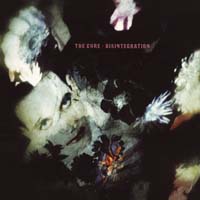 20084:13 Dream
 1996Wild Mood Swings
 1992Wish
 1989Disintegration
 1987Kiss Me Kiss Me Kiss Me
 1985The Head on the Door
 1984The Top
 1982Pornography
 1981Faith
 1980Seventeen Seconds