The Top- Album Overview
The Cure's "The Top," released on May 25, 1984, is the band's fifth studio album, emerging during a pivotal moment in their career. This album marked a significant departure from the band's earlier sound, steering into a more eclectic and experimental territory. Released under the Fiction Records label, "The Top" was recorded in the midst of turmoil for the band, particularly for frontman Robert Smith, who was grappling with personal issues, including the pressures of fame and the complexities of his own artistic vision.
The album was produced by Robert Smith himself, showcasing a more hands-on approach to the recording process. Collaborators included keyboardist Roger O'Donnell and drummer Boris Williams, who contributed to the album's layered sound. The recording sessions took place in various locales, including a studio in France, which added distinct textures to the tracks.
Musically, "The Top" is characterized by its diverse influences, incorporating elements of post-punk, new wave, and even hints of psychedelia. Notable singles from the album include "The Caterpillar" and "Inbetween Days," both of which received significant radio play and helped to solidify The Cure's place in the 1980s music scene. Thematically, the album explores concepts of isolation, introspection, and surreal imagery, often reflecting Smith's complex emotional landscape at the time.
"The Top" is culturally significant as it represents a transitional phase for The Cure, paving the way for their later, more commercially successful albums. Its experimental nature has been both praised and critiqued, yet it remains a testament to The Cure's willingness to explore new artistic avenues.
Review
"The Top" stands out as one of The Cure's more adventurous offerings. The production is rich and varied, with Smith's layered guitar work and the lush arrangements creating an atmospheric soundscape that is both haunting and captivating. Tracks like "The Caterpillar" feature playful, almost whimsical melodies, juxtaposed against darker lyrical themes, a hallmark of Smith's songwriting. The album’s artistic vision is ambitious, as it delves into surrealism while maintaining a strong emotional core.
Lyrically, Smith's introspective style shines through, weaving intricate narratives that invite listeners into his psyche. The juxtaposition of upbeat musicality with somber themes creates a compelling dichotomy, showcasing the band’s ability to blend contrasting elements seamlessly. While some tracks may feel disjointed due to their experimental nature, they ultimately contribute to the album's unique identity, reinforcing The Cure's status as innovators in the post-punk landscape.
Highlights
- Rich and layered production that enhances the atmospheric quality of the album.
- Strong lyrical themes that explore complex emotions and surreal imagery.
- A successful blend of eclectic musical influences, showcasing The Cure's versatility.
Weak points
- Some tracks may feel disjointed, potentially alienating mainstream listeners.
- Less commercial appeal compared to previous albums, which may affect its reception.
- Occasional overindulgence in experimentation, leading to a lack of cohesion in places.
Overall evaluation
"The Top" is a bold and experimental album that captures The Cure at a transformative moment in their career. While its eclecticism may not resonate with all listeners, it is a fascinating exploration of Robert Smith's artistic vision. The album's strengths far outweigh its weaknesses, making it a noteworthy entry in The Cure's discography.
Personal rating: 8/10


 20084:13 Dream
 1996Wild Mood Swings
 1992Wish
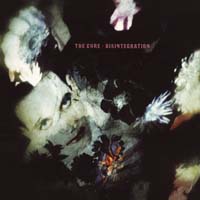
 1989Disintegration
 1987Kiss Me Kiss Me Kiss Me
 1985The Head on the Door
 1982Pornography
 1981Faith
 1980Seventeen Seconds
 1979Three Imaginary Boys