

Disintegration: the next chapter for The Cure
Disintegration- Album Overview
The Cure's "Disintegration," released on May 2, 1989, marks a pivotal moment in the band's evolution, solidifying their status as icons of the post-punk and gothic rock genres. The album was produced by the band's frontman, Robert Smith, alongside longtime collaborator David M. Allen, and was released by Fiction Records. "Disintegration" emerged after the band's previous albums, which had seen fluctuating commercial success and shifting musical directions. This record was conceived during a period of tumult in Smith's personal life, and its themes of despair, longing, and introspection resonate deeply throughout its tracks.
Recorded primarily at Morgan Studios in London, "Disintegration" showcases a lush soundscape characterized by shimmering guitars, ethereal keyboards, and deep, atmospheric production. The album features ten tracks, including standout singles like "Lovesong," "Lullaby," and "Pictures of You." Each song weaves intricate layers of melody and emotion, forging an immersive listening experience. The artwork, designed by Smith himself, complements the music's melancholic tone with its haunting visuals.
Culturally, "Disintegration" has left an indelible mark, influencing countless artists and bands in the alternative rock scene. It is often cited as a high-water mark for both The Cure and the genre as a whole, celebrated for its complex arrangements and poignant lyrics. The album's success revitalized The Cure’s career, earning them a devoted following and critical acclaim worldwide. Even decades after its release, "Disintegration" remains a seminal work, emblematic of the late '80s and early '90s music landscape.
Review
"Disintegration" is a masterclass in mood and atmosphere, showcasing The Cure at their most introspective and sonically ambitious. The album opens with "Plainsong," a sweeping introduction that sets the tone for the emotional journey that follows. Throughout the record, Robert Smith's haunting vocals convey a sense of vulnerability, while the intricate instrumentation creates a rich tapestry of sound. The lyrics, often steeped in melancholy and yearning, invite listeners into Smith's world, where themes of love, loss, and existential reflection intertwine.
Musically, the album stands out for its use of ambient textures and layered production, which lend a cinematic quality to tracks like "The Same Deep Water as You" and "Disintegration." The Cure masterfully balances the heavy with the ethereal, creating a sound that is both powerful and fragile. The juxtaposition of upbeat melodies against darker lyrical themes adds to the album's depth, making it a compelling listen from start to finish. "Disintegration" not only showcases The Cure's artistic vision but also cements their influence within the broader musical landscape.
Highlights
- Rich atmospheric production that enhances emotional depth.
- Powerful, introspective lyrics that resonate with listeners.
- Memorable melodies and intricate arrangements across all tracks.
Weak points
- Some tracks may feel overly lengthy for casual listeners.
- The dense production may be overwhelming for those unfamiliar with the genre.
- Not all songs achieve the same emotional impact as the singles.
Overall evaluation
"Disintegration" stands as a monumental achievement in The Cure's discography, blending haunting melodies with profound lyrical exploration. It is an album that invites deep reflection and emotional engagement, resonating with both longtime fans and newcomers alike.
Personal rating: 9/10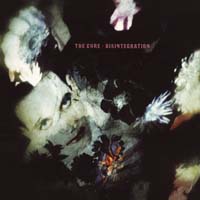 20084:13 Dream
 1996Wild Mood Swings
 1992Wish
 1987Kiss Me Kiss Me Kiss Me
 1985The Head on the Door
 1984The Top
 1982Pornography
 1981Faith
 1980Seventeen Seconds
 1979Three Imaginary Boys