
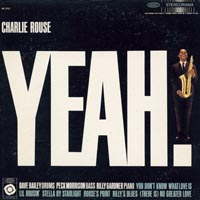
The Upper Manhattan Jazz Society by Charlie Rouse: expectations vs reality
The Upper Manhattan Jazz Society- Album Overview
"The Upper Manhattan Jazz Society," released in 1965, is a significant jazz album by saxophonist Charlie Rouse, best known for his long association with Thelonious Monk. This album, produced by the esteemed Blue Note label, showcases Rouse's unique blend of hard bop and more soulful influences, reflecting the vibrant jazz scene of New York City during the 1960s. Recorded in the iconic Van Gelder Studio in Englewood Cliffs, New Jersey, the album features a stellar lineup of musicians, including pianist McCoy Tyner, drummer Elvin Jones, and bassist Reggie Workman, all of whom were prominent figures in the jazz world. The album consists of seven tracks, with original compositions by Rouse and his collaborators, such as "U.M.M.G." and "The Nearness of You," highlighting Rouse's ability to weave complex melodies with heartfelt emotion. Upon its release, "The Upper Manhattan Jazz Society" was well-received by critics for its innovative arrangements and the seamless interplay between the musicians. The album's title reflects not only the geographical roots of the artists but also the communal spirit of jazz during this era, where musicians often gathered to share ideas and foster creativity. While not as commercially successful as some of Monk's works, it remains a crucial part of Rouse's discography and a testament to his artistic vision.
Review
The sound of "The Upper Manhattan Jazz Society" is both rich and intricate, marked by Rouse's smooth yet powerful tenor saxophone playing. The album opens with "U.M.M.G.," which sets the tone with its lively tempo and rhythmic complexity, capturing the essence of the Upper Manhattan jazz scene. Rouse's improvisation is fluid and inventive, demonstrating his mastery of the instrument. The collaboration with Tyner, Jones, and Workman adds depth to the arrangements, showcasing each musician's strengths while maintaining a cohesive sound. Lyrically, while jazz is often instrumental, the emotional weight carried through the melodies and harmonies speaks volumes. The arrangements provide a canvas for the musicians to express their individual artistic visions, resulting in a cohesive yet diverse listening experience. Rouse's artistry shines brightly, reflecting both the technical prowess and the emotional depth that jazz embodies. However, some listeners may find the album less accessible than mainstream jazz, as it leans heavily on improvisational skill rather than catchy hooks or melodies.
Highlights
- Exceptional musicianship from Rouse and his collaborators.
- Rich, intricate arrangements that showcase improvisational skills.
- Cultural significance reflecting the vibrant New York jazz scene of the 1960s.
Weak points
- May be less accessible to casual jazz listeners.
- Some tracks may feel overly experimental for traditional jazz fans.
- Lacks the commercial appeal of more popular jazz albums of the era.
Overall evaluation
"The Upper Manhattan Jazz Society" is a compelling representation of Charlie Rouse's artistic vision and the collaborative spirit of 1960s jazz. It offers a rich listening experience for those willing to engage with its complexity. While it may not cater to every taste, its significance in the jazz canon is undeniable.
Personal rating: 8/10