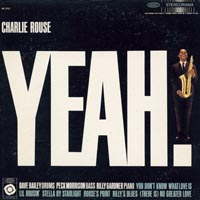
ALBUM NOTESCheck the vibes: Charlie Rouse-Epistrophy – Epistrophy
Album overview
Charlie Rouse's "Epistrophy," released in 1965 on the prestigious label, Blue Note Records, is a significant entry in the jazz genre, showcasing Rouse's unique approach to the art form. The album features compositions that blend intricate melodies with a sense of free expression, a hallmark of the avant-garde jazz movement. Recorded during a session that included notable collaborators such as drummer Elvin Jones and pianist McCoy Tyner, both of whom would later gain fame as part of the John Coltrane Quartet, "Epistrophy" stands out for its innovative arrangements and tight interplay among musicians.
The album consists of several tracks, including the titular "Epistrophy," a piece originally composed by Thelonious Monk and Kenny Clarke, which sets a tone of experimentation that permeates the entire album. The production captures the raw energy of the live jazz scene of the 1960s, highlighting Rouse's skillful tenor saxophone work and his ability to improvise within complex structures. The cultural significance of "Epistrophy" lies in its contribution to the evolution of jazz, particularly as artists began to explore more abstract forms and break away from traditional modes of composition. The album is not only a reflection of Rouse's artistic vision but also a document of a transformative period in jazz history.
Review
"Epistrophy" serves as a compelling showcase of Charlie Rouse's artistry and the vibrant jazz scene of the 1960s. The interplay between Rouse's tenor saxophone and the rhythm section creates a dynamic listening experience that is both engaging and cerebral. The title track, "Epistrophy," stands as a testament to Rouse's ability to blend complex musical ideas with an accessible sound, making it resonate with both jazz aficionados and newcomers alike. The album's overall tone reflects a spirit of exploration, Rouse and his collaborators venture into uncharted territory while maintaining a cohesive sound.
However, some listeners might find the avant-garde elements challenging, as the improvisational aspects can sometimes lead to a lack of melodic familiarity. Yet, this is arguably the beauty of "Epistrophy", it invites the listener to embrace the unexpected and revel in the spontaneity of jazz. Rouse's artistic vision shines brightly throughout the tracks, and while the album may not conform to traditional jazz standards, it certainly pushes the boundaries of what jazz can be.
Highlights
- Intricate and innovative compositions that push jazz boundaries.
- Dynamic interplay between musicians, showcasing exceptional improvisational skills.
- Rich historical context, representing a pivotal time in jazz evolution.
Weak points
- The avant-garde nature may alienate some traditional jazz listeners.
- Some tracks may feel disjointed due to their experimental approach.
- Lack of melodic hooks that are common in more mainstream jazz albums.
Overall evaluation
"Epistrophy" by Charlie Rouse is a bold and ambitious jazz album that captures the essence of a transformative era in music. It's a work that demands attention and rewards those willing to engage with its complexities.
Personal rating: 8/10
```