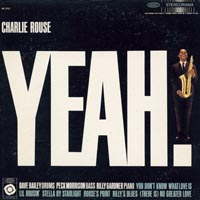
ALBUM NOTESA closer look at Charlie Rouse-The Jazz Modes's album The Jazz Modes
Album overview
Charlie Rouse, primarily known for his dynamic tenor saxophone work, released "The Jazz Modes" in 1965 under the prestigious label, Blue Note Records. This album is often categorized within the jazz genre, specifically leaning towards hard bop, a style that emerged in the 1950s. "The Jazz Modes" features a notable ensemble of musicians, including pianist McCoy Tyner, bassist Reggie Workman, and drummer Elvin Jones, all of whom were integral to the sound of the album and contributed significantly to its overall aesthetic. The album comprises six tracks, with standout pieces such as “The Peacocks” and “Airegin,” showcasing Rouse's intricate improvisational skills and deep emotional expression. The recording sessions took place in New Jersey, capturing a raw and vibrant sound that characterized the era's jazz scene. The album has been celebrated not just for its musicality but also for its contribution to the cultural fabric of jazz during the 1960s, a period marked by significant social change. "The Jazz Modes" remains a vital reference point for saxophonists and jazz enthusiasts, illustrating Rouse's artistry and the collective synergy of the band.
Review
"The Jazz Modes" is a compelling exploration of jazz that showcases Charlie Rouse's mastery of the tenor saxophone. The album's sound is rich and textured, blending intricate melodies with complex harmonies that invite listeners into a deeply engaging experience. Rouse’s improvisational skills shine throughout, particularly in tracks like “Airegin,” where he navigates the challenging rhythms with both confidence and creativity. The collaborations with McCoy Tyner and the rhythm section inject a dynamic quality into the music, making it a vibrant representation of the hard bop style. Lyrically, while instrumental jazz traditionally lacks lyrics, the emotive power of the saxophone communicates a narrative that resonates with the listener. The album not only stands as a testament to Rouse's artistic vision but also reflects the broader context of jazz evolution during the 1960s, marking a significant moment in the genre's history.
Highlights
- Exceptional saxophone work by Charlie Rouse, showcasing his technical prowess.
- Strong collaborations with renowned jazz musicians, enhancing the overall sound.
- Rich and vibrant production that captures the essence of 1960s jazz.
Weak points
- Some tracks may feel less accessible for casual listeners unfamiliar with jazz intricacies.
- The album's length may leave some wanting more, as it consists of only six tracks.
- Lacks vocal elements that some listeners might prefer in jazz music.
Overall evaluation
Overall, "The Jazz Modes" by Charlie Rouse stands as a significant contribution to the jazz genre, illustrating both technical skill and emotional depth. It remains a must-listen for jazz aficionados and offers insights into the collaborative spirit of the 1960s jazz scene.
Personal rating: 8/10
```