

Album spotlight: Yo La Tengo – The Sounds of the Sounds of Science
The Sounds of the Sounds of Science- Album Overview
"The Sounds of the Sounds of Science" is a unique album by the American indie rock band Yo La Tengo, released in 1987 under the record label Matador. This album stands out as a soundtrack to the 1969 film "The Sounds of Science," which was a collaboration with filmmaker and artist John McCulloch. The project is notable for its experimental nature, showcasing the band's ability to blend various genres, including shoegaze, noise rock, and ambient music. The recording sessions took place in New Jersey, where the band members—Georgia Hubley, Ira Kaplan, and James McNew—worked on crafting a soundscape that complements the visual elements of McCulloch's film. The album consists of instrumental tracks that serve as an auditory exploration of the themes presented in the film. It features a collection of sound collages and melodic passages that reflect the surreal and avant-garde essence of the visuals. Unlike typical albums, "The Sounds of the Sounds of Science" does not rely on traditional song structures or lyrics, instead immersing listeners in a meditative experience. Although it did not produce mainstream singles, the album has garnered a cult following and is often regarded as a crucial piece in Yo La Tengo's discography. Its release solidified the band’s place in the indie music scene, paving the way for their later successes while highlighting their willingness to experiment beyond the confines of conventional rock music.
Review
Yo La Tengo’s "The Sounds of the Sounds of Science" is an audacious venture into the realm of soundscapes that challenges conventional listening experiences. The absence of lyrics allows for an entirely different kind of engagement, where listeners are invited to project their own emotions and interpretations onto the music. The ambient layers and intricate textures weave a rich tapestry that is both soothing and thought-provoking. Musically, the album is characterized by its lush instrumentals, with soft guitar riffs, ethereal keyboard sounds, and subtle percussion creating an immersive atmosphere. The production quality is polished yet maintains an experimental edge, allowing the organic imperfections to shine through. This balance is reflective of the band's artistic vision, which embraces both spontaneity and meticulousness. The album's cultural significance lies in its experimental approach to music and film, marking a period when indie rock began to explore interdisciplinary art forms. While not commercially successful, it has influenced a generation of musicians who see value in pushing creative boundaries. It’s a testament to Yo La Tengo’s skill in crafting auditory experiences that resonate on multiple levels.
Highlights
- Innovative soundscapes that challenge traditional music formats.
- Masterful blend of ambient and experimental rock elements.
- Strong cultural significance as a precursor to later avant-garde movements in music.
Weak points
- Absence of lyrics may alienate some listeners seeking conventional song structures.
- Limited commercial appeal could restrict broader recognition.
- Experimental nature may not resonate with all fans of the band's more accessible work.
Overall evaluation
"The Sounds of the Sounds of Science" is an ambitious and experimental work that reflects Yo La Tengo's artistic integrity and willingness to explore new territories in music. While it may not appeal to everyone, its significance in the indie music landscape cannot be overlooked. Personal rating: 8/10
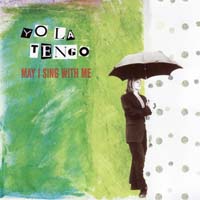 1992May I Sing With Me
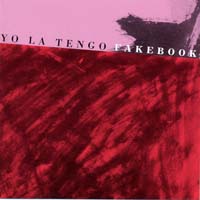 1990Fakebook