
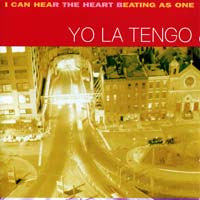
Breaking down the themes in Ride the Tiger by Yo La Tengo
Ride the Tiger- Album Overview
Released in 1986, "Ride the Tiger" is the second studio album by the influential indie rock band Yo La Tengo. This album was released through the label Coyote Records and is often celebrated for its blend of various musical styles, including noise pop and alternative rock. The recording sessions took place in New Jersey, where the band sought to capture a more polished sound compared to their debut album. The lineup features the core trio of Ira Kaplan, Georgia Hubley, and James McNew, who contribute to the album's rich textures and emotional depth.
Among the tracks, "The River of Water" and "The Story of Yo La Tengo" stand out for their lyrical introspection and vivid imagery. The album also includes a mix of original compositions and inventive covers, showcasing the band’s eclectic influences. The single "Big Day Coming" garnered attention for its haunting melody and lyrical ambiguity, capturing the essence of the band's artistic vision. "Ride the Tiger" is significant not only as a pivotal moment in Yo La Tengo's discography but also as a reflection of the evolving indie music scene during the mid-1980s.
Musically, the album deftly navigates between soft, melodic passages and more experimental soundscapes, showcasing the band’s ability to blend serene melodies with dissonant textures. Collaborators on this album include producer Gene Holder, who played a crucial role in shaping the overall sound. The cultural significance of "Ride the Tiger" lies in its representation of the burgeoning indie rock movement, which began to gain traction in the U.S. during this era. The album remains a testament to Yo La Tengo's artistic vision and their ability to resonate with listeners through introspective themes and innovative sound.
Review
"Ride the Tiger" is a captivating exploration of sound and emotion, showcasing Yo La Tengo's signature blend of introspective lyrics and experimental instrumentation. The album's opening track sets a reflective tone, as the band masterfully balances softness with moments of sonic intensity. Lyrically, the songs delve into themes of longing, identity, and the passage of time, often leaving interpretation open to the listener. The band's ability to weave together personal narratives with broader cultural reflections adds depth to the experience.
Musically, the album is a testament to Yo La Tengo's diverse influences, with elements of punk, folk, and avant-garde noise intermingling seamlessly. The production is crisp and clear, allowing the intricate layers of guitar and keyboard to shine through. The vocal harmonies between Kaplan and Hubley create an intimate atmosphere, drawing listeners into their world. Overall, "Ride the Tiger" stands as a bold artistic statement, pushing the boundaries of what indie rock could achieve in the mid-80s and solidifying Yo La Tengo's status as a pioneering force in the genre.
Highlights
- Innovative blending of musical styles, creating a unique sound.
- Strong lyrical content that invites personal reflection and interpretation.
- Emotional depth and authenticity in both songwriting and performance.
Weak points
- Occasional unevenness in pacing between tracks.
- Some listeners may find the experimental elements challenging.
- Lack of mainstream appeal may limit broader recognition.
Overall evaluation
"Ride the Tiger" is an essential listen for fans of indie rock and showcases Yo La Tengo's remarkable artistry and vision. Its blend of melodic beauty and experimental tendencies makes it a standout album in their discography. While it may not cater to all tastes, its depth and creativity mark it as a significant entry in the music landscape of the 1980s.
Personal rating: 8/10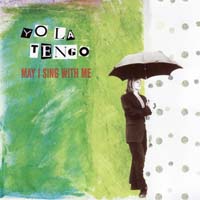 1992May I Sing With Me
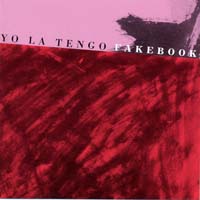 1990Fakebook