
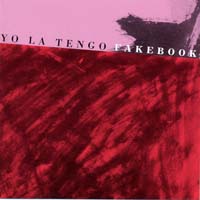
Fakebook: exploring the world of Yo La Tengo
Fakebook- Album Overview
"Fakebook," released in 1990, marks a significant chapter in the discography of the American indie rock band Yo La Tengo. This album is distinctive as it departs from the band's earlier noise rock and experimental sound, venturing into a more subdued, acoustic territory. Released by the influential label Matador Records, "Fakebook" showcases the band's ability to reinterpret and blend various genres, including folk, pop, and lo-fi rock. The album was recorded over a relatively short period, featuring a collection of covers and original compositions, highlighting the band's eclectic taste and deep musical knowledge.
The album comprises 15 tracks, including notable covers such as "A House Is Not a Motel" by Love and "Little Honda" by The Beach Boys. Collaborators on the album include the band's core members, Ira Kaplan, Georgia Hubley, and James McNew, who contribute their unique musical styles to create a cohesive sound. The production of "Fakebook" is characterized by its lo-fi aesthetic, which complements the intimate nature of the songs. The album's singles, such as "The Pain of Love," received critical acclaim, further establishing Yo La Tengo's reputation in the indie music scene.
"Fakebook" is culturally significant as it reflects the early '90s indie movement, a time when bands began to embrace a more DIY approach to music production. The album's introspective lyrics and melodic simplicity resonate with listeners, showcasing the band's artistic vision and their ability to convey emotion through understated instrumentation. With "Fakebook," Yo La Tengo solidified their place as a pivotal force in alternative rock, influencing countless artists in the years that followed.
Review
The sound of "Fakebook" is a testament to Yo La Tengo's versatility and artistic vision. The album's acoustic arrangements and gentle melodies create a warm, inviting atmosphere that draws listeners in. Tracks like "The Pain of Love" exemplify the band's knack for blending heartfelt lyrics with soothing instrumentation, resulting in a sound that feels both nostalgic and fresh. The lo-fi production enhances the intimate quality of the album, allowing the raw emotion in the music to shine through.
Lyrically, "Fakebook" explores themes of love, longing, and the complexities of relationships. The band's ability to convey vulnerability through their lyrics is particularly evident in tracks like "I Was the Fool," where the simplicity of the words resonates deeply. The artistic vision behind the album is clear; Yo La Tengo sought to create a collection of songs that not only showcase their influences but also reflect their own experiences and feelings. This balance of homage and originality is what makes "Fakebook" a standout work in their catalog.
Highlights
- Intimate acoustic arrangements that create a warm atmosphere
- Thoughtful and relatable lyrics that resonate with listeners
- A diverse selection of covers that showcase the band's eclectic influences
Weak points
- The lo-fi production may not appeal to all listeners
- Some tracks may feel too subdued for those seeking more energetic fare
- Limited promotion may have caused the album to fly under the radar for some audiences
Overall evaluation
"Fakebook" stands out as a beloved gem in Yo La Tengo's discography, showcasing their ability to craft intimate, emotive music that resonates deeply. The album's blend of covers and original material reflects the band's diverse influences while maintaining a cohesive sound. It's a must-listen for fans of indie rock and those looking to explore the softer side of this iconic band.
Personal rating: 8/10 2023This Stupid World
 1992May I Sing With Me