
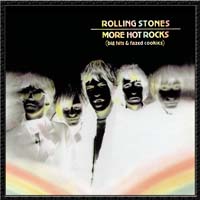
How The Rolling Stones shaped the sound of The Rolling Stones
The Rolling Stones- Album Overview
The Rolling Stones' self-titled debut album, released on April 16, 1964, marked a significant milestone in rock history. Produced by Andrew Oldham and released under the Decca Records label, the album encapsulates the raw energy and rebellious spirit of the early British rock scene. Recorded primarily at Regent Sound Studios in London, the album features a mix of original compositions and covers of American R&B and rock standards, showcasing the band's diverse musical influences. Notably, the album includes tracks such as "As Tears Go By," which was co-written by Rolling Stones members Mick Jagger and Keith Richards along with Rolling Stones' early collaborator, Rolling Stones’ key songwriter, and producer, Oldham. The album reached number one on the UK Albums Chart, firmly establishing the band's presence in the music world. Singles like "Not Fade Away" and "It's All Over Now" received substantial radio play, further cementing their status. The album's bluesy sound, characterized by Jagger's distinctive vocals and Richards' innovative guitar riffs, paved the way for the Rolling Stones' future work and set a template for the rock genre. Its cultural significance is profound, as it represented the British Invasion and the shifting tides of popular music in the 1960s, influencing countless artists and shaping the rock landscape for decades to come.
Review
The debut album of The Rolling Stones presents a fascinating blend of youthful exuberance and gritty authenticity. The sound is raw and unpolished, a reflection of the band's roots in blues and R&B, which they interpreted with a rock edge. Tracks like "Route 66" and "I Just Want to Make Love to You" showcase their ability to reinterpret American classics, while Jagger's powerful and emotive vocals breathe new life into each song. The lyrical content, often revolving around themes of love and heartbreak, resonated with a generation yearning for authenticity in music. The album's artistic vision is evident in its refusal to conform to the pop standards of the time, instead opting for a more rebellious, free-spirited approach. While it may not have the production polish of their later works, this rawness adds to its charm, capturing the essence of a band on the cusp of greatness. The Rolling Stones' debut is more than just an album; it is a statement of intent that laid the groundwork for their legendary career.
Highlights
- Groundbreaking blend of blues and rock influences.
- Strong vocal performances by Mick Jagger.
- Captivating reinterpretations of classic tracks.
Weak points
- Lack of production polish compared to later albums.
- Some tracks may feel less cohesive.
- Limited original material compared to covers.
Overall evaluation
The Rolling Stones' debut album is a raw yet powerful introduction to a band that would go on to define rock music. It captures the spirit of the 1960s and showcases the unique blend of influences that would characterize their sound. While it may have its imperfections, the album's historical significance and enduring impact are undeniable.
Personal rating: 8/10 1983Undercover
 1972Exile on Main St.
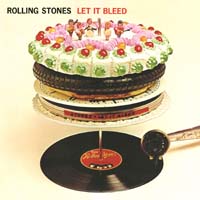 1969Let It Bleed
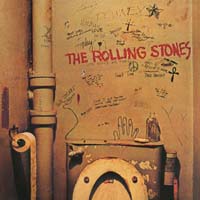 1968Beggars Banquet
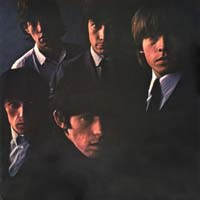 1964The Rolling Stones No. 2