
Inside Dirty Work by The Rolling Stones
Dirty Work- Album Overview
"Dirty Work" is the 18th studio album by the legendary rock band The Rolling Stones, released on March 24, 1986. This album marked a significant point in the band's career, as it was their first release since 1983's "Undercover" and came during a tumultuous period for the group, both personally and professionally. The album was produced by Steve Lillywhite, known for his work with U2 and Peter Gabriel, and was released under the Rolling Stones Records label.
The recording sessions for "Dirty Work" took place at the iconic Pathé Marconi Studios in Paris, a location that had become synonymous with the band's creative output. The album features a mix of rock, blues, and a hint of new wave influences, showcasing the band's adaptability to the evolving music scene of the 1980s. "Dirty Work" includes notable collaborations with artists such as Jimmy Cliff, who lent his talents to the track "One Hit (To the Body)," and the album's lead single, "Harlem Shuffle," which became a commercial success, peaking at number five on the Billboard Hot 100 chart.
Despite mixed reviews from critics at the time, the album has grown in stature over the years, with fans appreciating its raw energy and the band's willingness to experiment. The album's themes revolve around relationships, heartbreak, and the grit of urban life, encapsulated in tracks like "Sleep Tonight" and "Fight." While it may not hold the same iconic status as earlier works like "Exile on Main St." or "Let It Bleed," "Dirty Work" certainly reflects the resilience and enduring spirit of The Rolling Stones during a challenging phase of their storied career.
Review
The sound of "Dirty Work" is quintessentially Rolling Stones, yet it reveals a band grappling with the pressures of the 1980s music industry. The album's production is slick, a departure from the more raw and organic sounds of their earlier works. Songs like "Harlem Shuffle" exhibit a danceable groove, while others, such as "One Hit (To the Body)," demonstrate a harder edge that blends rock with contemporary influences. Lyrically, the album often reflects on themes of love and loss but does so with a certain cynicism that resonates with the band's established persona.
While Mick Jagger's vocals remain as compelling as ever, the album features a noticeable lack of Keith Richards' songwriting contributions, leading to speculation about the dynamic within the band during this period. Despite this, tracks like "Too Rude" and "Winning Ugly" showcase the band’s signature style, even if they don't reach the heights of their classic hits. "Dirty Work" serves as a testament to The Rolling Stones' ability to evolve while maintaining their rock roots, even if it occasionally feels like it's trying to keep up with the times rather than setting the agenda.
Highlights
- Strong lead single "Harlem Shuffle" showcases the band's ability to adapt to contemporary sounds.
- Production by Steve Lillywhite adds a polished touch to the album's overall sound.
- The collaboration with Jimmy Cliff on "One Hit (To the Body)" infuses a unique flavor into the album.
Weak points
- Some tracks feel formulaic and lack the raw energy of earlier Stones albums.
- Limited songwriting contributions from Keith Richards lead to a less cohesive sound.
- Mixed critical reception at the time of release may overshadow the album's legacy.
Overall evaluation
While "Dirty Work" may not stand among the band's most celebrated works, it is an intriguing chapter in The Rolling Stones' storied history. The album showcases their attempt to navigate a changing musical landscape while still delivering tracks that resonate with their core audience. Its blend of pop sensibilities with classic rock elements ensures that it remains a noteworthy
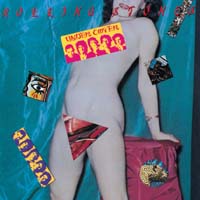 1983Undercover
 1972Exile on Main St.
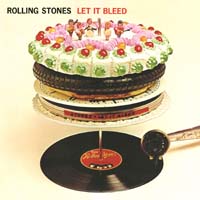 1969Let It Bleed
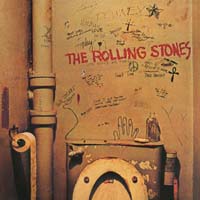 1968Beggars Banquet
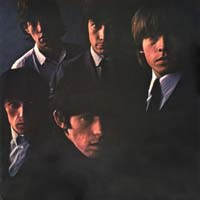 1964The Rolling Stones No. 2